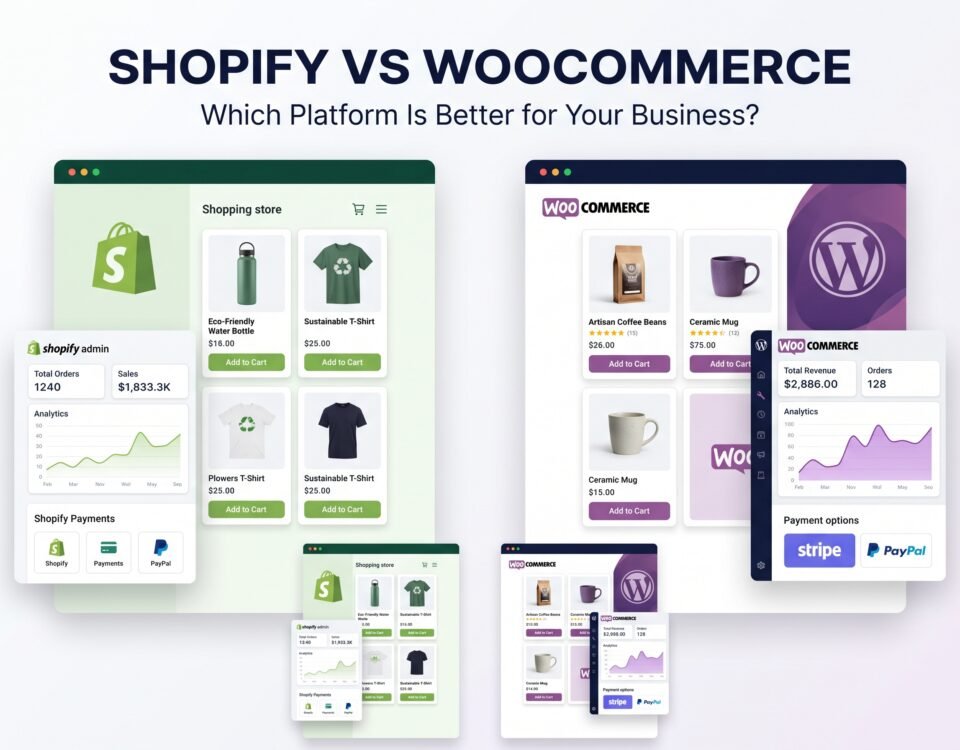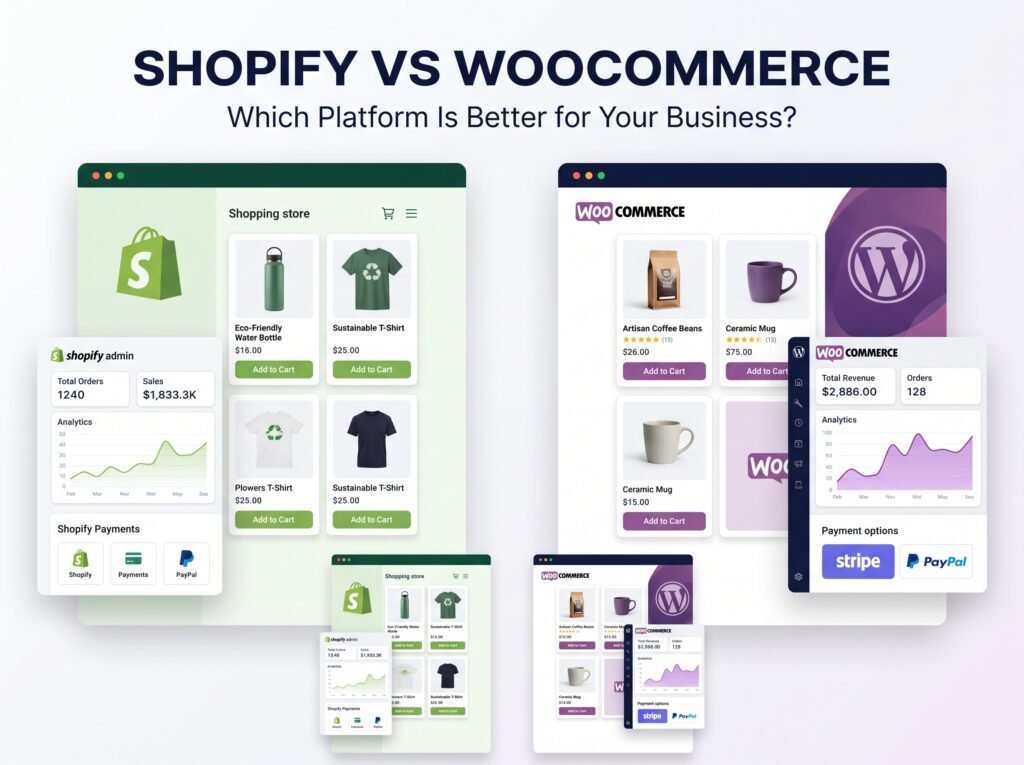
Shopify vs WooCommerce: Which Platform Is Better for Your Business?
August 25, 2026Website Speed Optimization
October 5, 2026How to Start an Online Store in UAE
Starting an online store in the UAE can be a strong opportunity for entrepreneurs who want to build a modern business and reach customers through digital channels. The UAE has a highly connected population, strong online shopping habits, and a business environment that supports digital commerce. However, launching an online store involves more than simply creating a website and adding products.
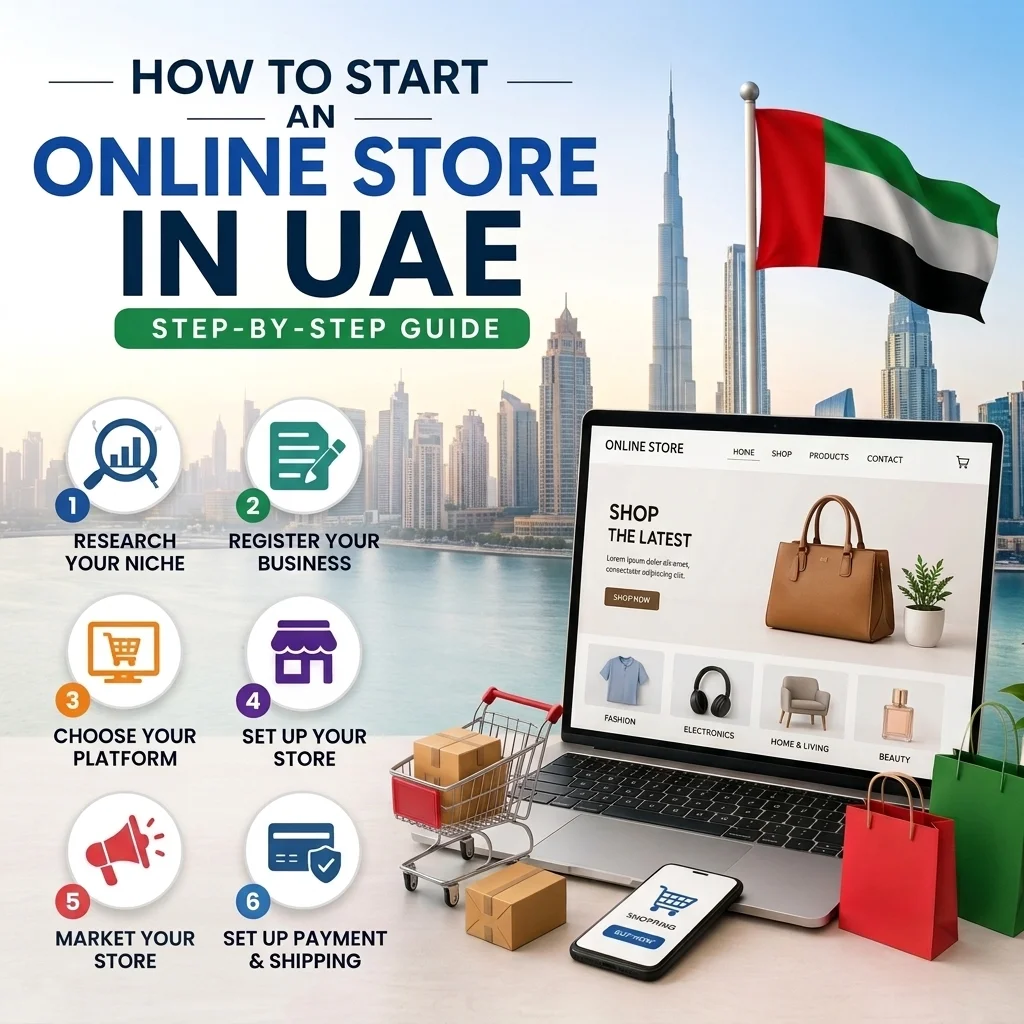
A successful store starts with choosing the right business idea and understanding your target market. You also need to select a suitable business structure, complete the required licensing process, choose products with genuine demand, and build a professional e-commerce website. After that, you need reliable payment methods, delivery options, customer support, and a clear return process.
Marketing is another important part of the process. Search engine optimization, social media marketing, Google Ads, and Meta Ads can help your store reach potential customers and generate sales. A well-optimized website can also improve visibility when people search for products or services online.
In this guide, you will learn how to start an online store in UAE step by step. We will cover everything from selecting your business idea and understanding the UAE market to building your store, setting up payments and delivery, promoting your business, and measuring its performance.
Whether you are a new entrepreneur or an established business planning to expand into e-commerce, following a structured approach can help you avoid common mistakes and build a stronger foundation for long-term growth.
Why Start an Online Store in the UAE?
The UAE has become an attractive destination for entrepreneurs who want to build an online business. Strong digital infrastructure, tech-friendly consumers, and a growing e-commerce sector create opportunities for businesses across many industries. An online store can help entrepreneurs reach customers without depending only on a physical location.
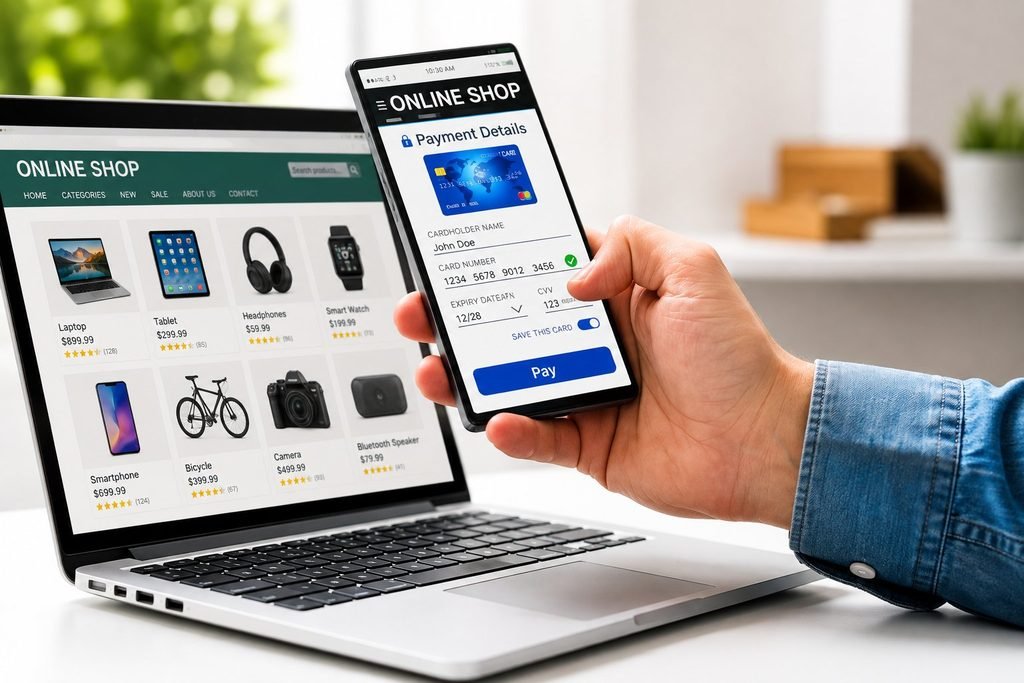
Growing E-commerce Market
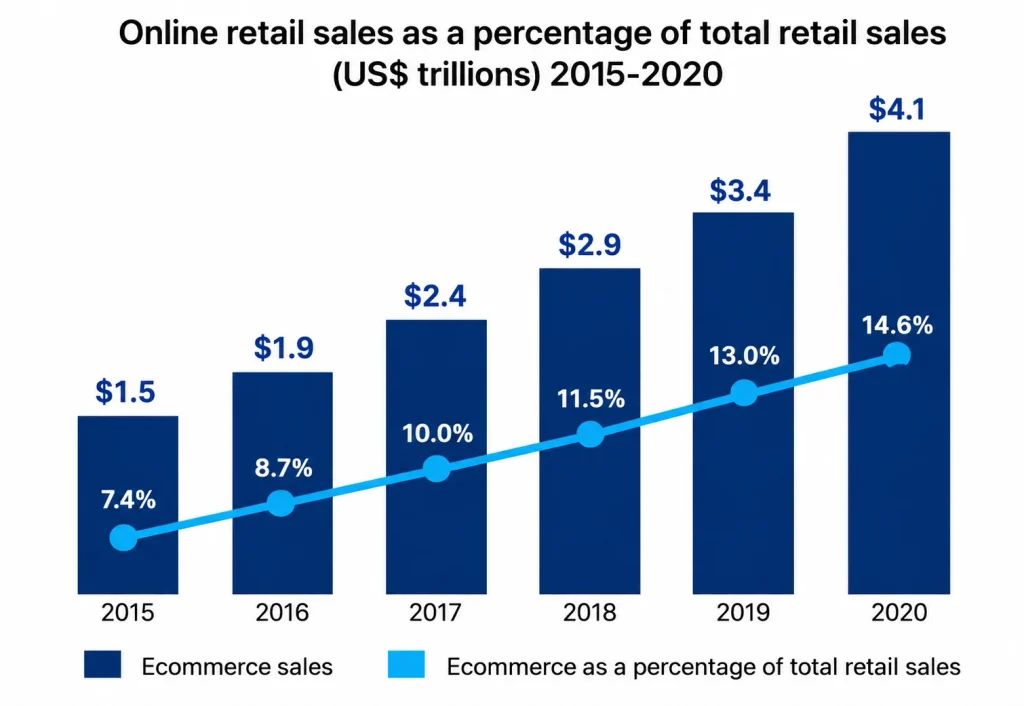
E-commerce continues to grow as more consumers choose online shopping for convenience, product variety, and competitive prices. Customers can compare products, read reviews, and place orders from their phones or computers within minutes.
This growth creates opportunities for both new and established businesses. Entrepreneurs can start with a focused product range, test demand, and expand as their customer base grows. A professional website combined with effective SEO and digital marketing can help an online store compete for valuable search traffic and customer attention.
High Smartphone and Internet Usage
The UAE has a highly connected population, making mobile devices an important part of the shopping journey. Customers often discover products through search engines, social media platforms, online advertisements, and recommendations before visiting an online store.
For this reason, your website should provide a smooth experience on smartphones and tablets. Pages should load quickly, product information should be easy to read, and the checkout process should require as few steps as possible. A mobile-friendly store can make it easier for visitors to browse products and complete purchases.
Access to Local and International Customers
One of the biggest advantages of an online store is the ability to reach customers beyond your immediate location. A UAE-based business can target shoppers across Dubai, Abu Dhabi, Sharjah, Ajman, and other Emirates through a well-planned digital strategy.
Depending on the products, shipping capabilities, and business model, an online store can also attract international customers. SEO, social media marketing, paid advertising, and localized content can help businesses reach specific audiences in different markets.
For businesses targeting customers in the UAE, choosing the right website structure and marketing strategy is essential. Professional web development, search engine optimization, and social media promotion can work together to turn online visibility into measurable business growth.
Opportunities for Small Businesses and Startups
Starting an online store in the UAE can be a practical option for small businesses and startups. Entrepreneurs do not always need to launch with hundreds of products or a large operation. A focused product range can make it easier to understand customer needs, manage inventory, and control initial expenses.
A small store can begin by offering products for a specific audience or solving a particular customer problem. This focused approach allows business owners to test demand, collect customer feedback, and identify their best-selling products. Once sales become more consistent, the business can gradually add new products and expand its target market.
Digital marketing also gives startups flexible ways to attract customers. Businesses can use SEO, social media, content marketing, Google Ads, and Meta Ads based on their goals and available budget. This makes it possible to build visibility without immediately investing in a large physical storefront.
As the business grows, entrepreneurs can improve their website, strengthen their brand, expand their product range, and invest more in marketing. With the right strategy, a small online store can develop into a scalable e-commerce business serving customers across the UAE and potentially international markets.
Step 1: Choose a Profitable Product or Business Idea
Choosing the right product is one of the most important decisions when starting an online store in the UAE. A professional website cannot make up for a product that has little demand or weak profit potential. Before investing in inventory, branding, or advertising, research the market and understand what customers want to buy.
Research Products With Market Demand
Start by identifying products that people are already searching for and purchasing online. Use search engines, social media platforms, e-commerce marketplaces, customer reviews, and industry trends to discover popular products and common customer needs.
Look for products that solve a clear problem, offer convenience, or have consistent demand. You can also study search trends and keyword data to understand how frequently people look for specific products. Pay attention to seasonal demand as well. Some products may sell well during Ramadan, Eid, summer, or other important periods but have lower demand throughout the rest of the year.
Before committing to a product, consider its selling price, sourcing cost, shipping expenses, packaging, advertising costs, and expected profit margin. A product with high demand is not necessarily profitable if the total cost of selling it is too high.
Analyze Your Competition
Competitor research can help you understand what already works in your market. Search for businesses selling similar products and examine their websites, product ranges, prices, offers, delivery options, and overall customer experience.
Pay close attention to product quality and presentation. Review their product images, descriptions, guarantees, payment options, and customer reviews. Reviews can reveal what customers appreciate and where competitors are failing. These insights can help you identify opportunities to offer better quality, clearer information, faster service, or a more convenient shopping experience.
Your goal is not to copy competitors. Instead, find a way to position your store differently. You could compete through better product quality, stronger branding, competitive pricing, specialized products, better customer service, or a more convenient buying experience.
Choose a Specific Target Audience
A successful online store needs a clearly defined target audience. Instead of trying to sell everything to everyone, identify the specific customers most likely to purchase your products.
Consider factors such as age, location, interests, income level, shopping habits, and specific needs. For example, a store selling premium skincare products may target working professionals who are interested in high-quality beauty products, while a fitness store may focus on active customers looking for home workout equipment.
A specific audience also makes marketing easier. You can create relevant content, choose suitable advertising platforms, and use targeted SEO keywords based on what your customers actually search for. Once you understand your audience, you can build your products, website, and marketing strategy around their expectations.
Starting with a focused product range and a clearly defined audience gives your business a stronger foundation. As you learn what customers prefer and which products generate the best results, you can gradually expand your online store.
H3: Define Your Ideal Customer
Defining your ideal customer before launching your online store helps you make better decisions about your products, pricing, website, and marketing. When you know who you are selling to, you can create offers and content that match their needs instead of using a general message for everyone.
Consider your customer’s location, age group, interests, purchasing behavior, budget, and common problems. For a UAE online store, you may also want to understand whether your customers are local residents, tourists, professionals, families, or businesses.
A clear customer profile also makes digital marketing more effective. You can select relevant keywords for SEO, create useful content, and build targeted advertising campaigns. Understanding your audience from the beginning can help you attract more relevant visitors and improve the chances of turning them into customers.
H3: Calculate Your Potential Profit Margin
Before launching an online store, calculate how much you can realistically earn from each sale. Revenue alone does not determine whether an e-commerce business is profitable. You need to consider every major expense connected with selling your products.
Start with the product purchase or manufacturing cost. Then include packaging, shipping, payment processing, platform fees, advertising, returns, and other operating expenses. If you plan to use Google Ads, social media advertising, or other paid campaigns, include your expected marketing cost when estimating profit.
For example, if a product sells for AED 150 but costs AED 70 to source, AED 10 to package, AED 15 to deliver, and AED 20 to acquire through marketing, your actual margin is much lower than the selling price suggests.
Calculating these costs before launch can help you set realistic prices, identify profitable products, and avoid unexpected financial problems. It also gives you a clearer idea of how much you can reinvest into inventory, website improvements, and marketing as your store grows.
Step 2: Understand UAE E-commerce Licensing Requirements
Before selling products online in the UAE, it is important to understand the applicable business and e-commerce requirements. Licensing rules can vary depending on factors such as your business activity, location, ownership structure, and the type of products you plan to sell.
Rather than choosing a setup based only on cost, consider how you plan to operate now and how you expect the business to grow. Checking current requirements with the relevant UAE authorities or a qualified business setup professional can help you choose an appropriate structure and avoid compliance issues.
H3: Choose the Right Business Structure
The right business structure depends on your business model, target market, activities, and where you plan to operate. Entrepreneurs may consider different options, including mainland and free zone setups, depending on their circumstances.
Think about factors such as where you will conduct business, whether you need a physical location, the nature of your products or services, and whether you plan to serve customers inside or outside the UAE.
It is also important to consider future growth. A structure that works for a small online business may need to be reviewed as your operations, product range, team, or target markets expand.
Before registering your business, confirm the latest licensing requirements, permitted activities, fees, and application procedures with the relevant UAE authority. Getting the legal foundation right from the beginning allows you to focus on building your online store, attracting customers, and growing your business with greater confidence.
Haan, is section mein internal + external links naturally add karne chahiye. Main exact external URLs ko official sources par point karunga, taake SEO aur trust dono better rahen.
H3: Mainland vs. Free Zone Setup
When starting an online store in the UAE, entrepreneurs may consider a mainland or free zone business setup. The right option depends on the nature of the business, planned activities, target customers, and where the business will operate.
A mainland setup can be suitable for businesses that want to operate within the UAE market under the applicable mainland framework. A free zone setup can provide a different business environment with specific regulations, facilities, and business benefits depending on the chosen free zone.
There is no single setup that is best for every online business. Before making a decision, compare the permitted business activities, licensing requirements, operating costs, ownership rules, and other conditions that apply to your situation.
For the latest information, entrepreneurs should review the official guidance from the UAE Ministry of Economy & Tourism and the relevant emirate or free zone authority before registering their business.
H3: Apply for the Required Business License
After choosing your business structure, the next step is to obtain the appropriate business license for your activities. The exact requirements can vary based on the type of products you sell, your business location, and the activities listed on your license.
Before submitting an application, check the latest requirements with the relevant UAE authority. You may need to provide business information, identification documents, a proposed business name, and other supporting documents depending on your setup.
Do not rely on outdated blog posts or information from unofficial sources because licensing rules, fees, and procedures can change. The official UAE Government portal provides guidance for entrepreneurs researching how to establish a business in the country.
Once your legal setup is clear, you can move forward with your website, branding, and digital marketing strategy. If you need a professional e-commerce website, you can also explore T-Codez’s ecommerce website development services.
H3: Check E-commerce and Consumer Regulations
An online store should comply with the rules that apply to e-commerce businesses in the UAE. These may include requirements related to consumer protection, online transactions, privacy, payment processing, advertising, returns, refunds, and the information provided to customers.
Your website should clearly communicate important information such as product details, prices, delivery conditions, payment methods, return policies, and customer support options. Transparent information can also improve customer confidence and create a better shopping experience.
Privacy is another important consideration. If your website collects customer names, contact details, payment information, or other personal data, make sure your data-handling practices follow applicable UAE requirements. You can review official information about UAE data protection through the UAE Government’s Personal Data Protection Law information.
For consumer protection guidance, entrepreneurs can also review information provided by the UAE Ministry of Economy & Tourism.
Following these requirements before launch can help reduce compliance risks and build trust with customers. Once the legal and regulatory foundation is ready, you can focus on creating a professional store, improving its visibility through SEO services, and promoting your products through digital marketing.
Step 3: Register Your Business Name and Brand
A strong brand can make your online store easier to recognize and remember. Before launching, choose a business name that reflects your products, appeals to your target customers, and can grow with your business. Your name will appear on your website, social media profiles, packaging, advertisements, and other marketing materials, so it should create a consistent first impression.
H3: Choose a Memorable Business Name
Choose a business name that is simple, relevant, and easy to remember. Avoid names that are difficult to spell, too long, or confusing for customers. A clear name can make it easier for people to find your store through search engines and social media.
Your name should also give you room to expand. For example, if you plan to add new product categories in the future, avoid choosing a name that limits your business to one specific product unless that specialization is part of your long-term strategy.
Before finalizing the name, check whether it is available for registration and whether a suitable domain name and social media handles are available. You should also check for potential trademark conflicts before investing heavily in branding.
A professional visual identity is equally important. Your logo, colors, typography, product graphics, and marketing materials should present a consistent image across every customer touchpoint. If you need professional visuals for your online business, you can explore T-Codez’s Graphic Design Services to create a consistent and professional brand identity.
For businesses that need a professional company introduction for clients, partners, or investors, Company Profile Designing Services can also help present the business more effectively.
A memorable name combined with professional branding gives your online store a stronger foundation and helps customers recognize your business as you grow.
H3: Secure Your Domain Name
Your domain name is the web address customers use to find your online store. Ideally, it should match your business name or closely represent your brand. A short and relevant domain can be easier to remember, type, and share across social media, advertisements, packaging, and other marketing channels.
Try to avoid complicated spellings, unnecessary numbers, or long domain names that customers may struggle to remember. Before choosing a domain, check whether the name is available and whether it could create confusion with another business or trademark.
It is also useful to keep your domain consistent with your social media usernames when possible. A consistent online identity makes your brand easier to recognize across different platforms and can support your overall digital marketing strategy.
If your store will target customers in the UAE, choose a domain strategy that supports your brand and target market. More importantly, make sure the domain is registered through a reputable provider and that you maintain control of the account and renewal details.
H3: Create Professional Brand Assets
After securing your business name and domain, create professional brand assets that give your online store a consistent visual identity. These assets can include your logo, brand colors, fonts, product banners, social media graphics, packaging designs, business cards, and promotional materials.
Consistency matters because customers may interact with your brand through several channels before making a purchase. They might discover your store through Google, see a social media advertisement, visit your website, and later receive an email or product package. Using consistent visuals across these touchpoints can make the business look more professional and trustworthy.
High-quality product graphics are also important for e-commerce. Clear images, promotional banners, and social media creatives can help present products more effectively and support your advertising campaigns.
If you need professional visual branding for your online store, T-Codez offers Graphic Design Services to help businesses create consistent and engaging brand materials.
You can also use Company Profile Designing Services when you need a professional company profile to introduce your business to potential clients, partners, distributors, or other stakeholders.
A strong domain and consistent brand identity help create a professional foundation before you move to the next stage: building and launching your e-commerce website.
Step 4: Build Your E-commerce Website
Your e-commerce website is the central part of your online store. It gives customers a place to discover products, compare options, place orders, make payments, and contact your business. A professional website should be fast, mobile-friendly, secure, easy to navigate, and designed around the customer journey.
Before development begins, decide which platform best fits your products, budget, technical requirements, and future growth plans.
H3: Choose the Right E-commerce Platform
There are several platforms you can use to build an online store, including WooCommerce, Shopify, and custom-built e-commerce solutions. Each option has different features, costs, customization possibilities, and management requirements.
WooCommerce is a popular choice for businesses that want flexibility and control over their website. It works with WordPress and provides many options for product management, payment integration, shipping, SEO, and store customization. It can be a suitable option for small businesses that want to gradually expand their online store.
Shopify provides a hosted e-commerce solution where many technical aspects of running the store are managed through the platform. It can be useful for entrepreneurs who want to launch quickly and manage products, orders, payments, and other store functions through a centralized system.
Custom-built e-commerce websites can provide greater control over design, functionality, integrations, and business processes. This approach can be useful when a business has specific requirements that standard platforms cannot easily handle.
The right choice depends on your business goals. A small startup may prefer a simple platform that is easy to manage, while a growing company may need advanced customization and integrations.
If you need help selecting or developing an e-commerce platform, T-Codez provides Web Development Services for businesses looking to build professional and responsive websites. For businesses specifically planning an online store, E-commerce Website Development can help create a store designed around products, customers, payments, and conversions.
Choosing the right platform at the beginning can save time and development costs later. Once the platform is selected, the next step is to make sure your store provides a smooth experience across smartphones, tablets, and desktop devices.
H3: Create a Mobile-Friendly Store
A mobile-friendly website is essential for an online store targeting customers in the UAE. Many shoppers discover products, compare prices, read reviews, and complete purchases using smartphones. If your website is difficult to navigate on a small screen, visitors may leave before completing an order.
Your store should automatically adapt to different screen sizes and provide a smooth experience on smartphones, tablets, laptops, and desktop computers. Product images should load properly, buttons should be easy to tap, text should remain readable, and menus should be simple to use.
Website speed is also important. Large images, unnecessary plugins, complex animations, or poorly optimized code can slow down your store and create a poor user experience. A fast website can make browsing easier and support better engagement.
Mobile responsiveness should also extend to the checkout process. Customers should be able to enter their details, select a payment method, review their order, and complete the purchase without unnecessary steps.
If your existing website needs improvement or you are building a new online store, professional Web Development Services can help create a responsive and user-friendly shopping experience.
H3: Add Essential E-commerce Pages
A professional online store needs more than product listings. Essential pages help customers understand your business, find information quickly, and make purchasing decisions with greater confidence.
Consider including the following pages:
- Home: Introduce your brand, highlight popular products, and guide visitors toward important sections of the store.
- Shop: Display your complete product range with useful categories and filters.
- Product Pages: Provide product images, descriptions, prices, features, availability, reviews, and clear purchase buttons.
- About Us: Explain who you are, what your business offers, and why customers should choose you.
- Contact Us: Provide relevant contact details and a simple way for customers to ask questions.
- Shipping Policy: Explain delivery options, estimated delivery times, shipping charges, and applicable conditions.
- Return Policy: Clearly explain your return, exchange, refund, and cancellation procedures.
- Privacy Policy: Explain how customer information is collected, used, stored, and protected.
- Terms and Conditions: Define the rules and conditions that apply when customers use your website and purchase products.
These pages should be easy to find through your navigation menu or website footer. Clear information can reduce customer confusion, improve trust, and create a more professional shopping experience.
You should also ensure that your policies and business practices comply with the requirements applicable to your UAE business. When dealing with privacy, consumer rights, payments, and returns, review the latest official requirements rather than relying on outdated templates.
A well-structured website gives customers the information they need at every stage of their buying journey. After these essential pages are ready, the next step is to optimize individual product pages so they can attract visitors and encourage purchases.
H3: Optimize Product Pages for Conversions
Product pages are where visitors make important buying decisions. A well-designed product page should answer customer questions, build trust, and make it easy to complete a purchase. Instead of simply listing a product, provide enough useful information to help shoppers understand its value.
Use high-quality product images: Add clear, professional images that show the product from different angles. Where appropriate, include lifestyle images, close-up shots, size references, or product demonstration images. Optimized image files can also help maintain good website loading speed.
Write useful product descriptions: Explain what the product is, who it is for, its main features, benefits, materials, dimensions, and other relevant details. Avoid copying descriptions from suppliers or competitors. Original descriptions can provide more value to customers and support your SEO strategy.
Display pricing clearly: Make the product price easy to find. If you offer discounts, bundles, or special offers, explain them clearly without creating confusion. Also provide relevant information about shipping charges or other additional costs before checkout.
Add customer reviews: Reviews can provide social proof and help new customers feel more confident about purchasing. Encourage genuine customers to share their experience and make reviews easy to find on the product page.
Include relevant FAQs: Product-specific FAQs can answer common questions about size, materials, compatibility, delivery, usage, returns, or other concerns. This can reduce hesitation and help customers make faster decisions.
Use clear calls-to-action: Buttons such as “Add to Cart,” “Buy Now,” or “Order Now” should be visible and easy to use, particularly on mobile devices. Avoid making customers search for the purchase button.
Your product pages should also have a logical structure and clean navigation. A professional Web Development Services provider can help create an e-commerce website that combines usability, performance, and conversion-focused design.
If you are comparing options for a professional Website Development Company, look for a team that understands both website functionality and the customer journey. Businesses using WordPress can also consider WordPress Website Development for flexible e-commerce solutions.
For larger stores with specific product, payment, inventory, or integration requirements, Ecommerce Website Development can provide a more tailored solution.
A strong product page does not guarantee every visitor will buy, but it removes unnecessary barriers and gives customers the information they need to make a confident decision.
Step 5: Set Up Online Payments
A convenient and secure payment process is essential for an online store in the UAE. Customers should be able to choose a payment method they trust and complete their orders without unnecessary steps. A complicated or unreliable checkout can cause shoppers to abandon their carts, even when they are interested in the product.
Before launching your store, compare payment options based on your customers, product type, transaction fees, settlement process, security features, and compatibility with your e-commerce platform.
H3: Choose Suitable Payment Methods
Offer payment methods that are convenient for your target customers. Depending on your business model and payment provider, these may include credit and debit cards, digital wallets, online bank-based payments, and cash on delivery where it is suitable for your products and operations.
Card payments are important for many online businesses because they allow customers to complete purchases directly through the website. Digital payment options can provide additional convenience, particularly for mobile shoppers who prefer faster checkout experiences.
Cash on delivery can also be considered for businesses where it makes commercial and operational sense. However, it can involve additional delivery handling, failed deliveries, and return-to-sender costs. Evaluate these factors before making it available.
When selecting a payment provider, check whether it supports your chosen e-commerce platform and business structure. You should also review transaction fees, supported currencies, settlement periods, refund processes, fraud protection, and customer support.
For an online store targeting UAE customers, clearly display available payment options during checkout. Customers should know how they can pay before they place an order. Always use reputable payment providers and follow applicable UAE requirements for electronic payments and customer data.
A secure and flexible payment experience can increase customer confidence and reduce friction during checkout. Once your payment methods are ready, the next step is to make the checkout process simple, transparent, and easy to complete.
H3: Make Checkout Simple and Secure
A simple checkout process can make it easier for customers to complete their purchases. Too many forms, unnecessary steps, complicated navigation, or unexpected charges can cause shoppers to abandon their carts.
Keep the checkout focused on essential information such as the customer’s name, delivery address, contact details, and preferred payment method. Where appropriate, allow customers to check out without creating an account. Make sure the checkout works smoothly on mobile devices because many shoppers may complete their orders from smartphones.
Security is equally important. Use HTTPS, trusted payment providers, secure website practices, and clear privacy information to help customers feel confident when entering personal and payment details. Displaying recognizable payment options and relevant security information can also strengthen trust.
A professional website development team can help create a checkout experience that is fast, responsive, and easy to use. You can explore T-Codez’s Web Development Services if you need support with your e-commerce website.
H3: Display Pricing and Delivery Information Clearly
Customers should know the total cost of their order before completing the purchase. Clearly display product prices, shipping charges, applicable taxes or fees, discounts, and the final order total.
Avoid surprising customers with additional charges at the final checkout stage. Unexpected costs can reduce trust and increase cart abandonment. If free shipping is available above a certain order value, explain the condition clearly on the website.
Delivery information should also be easy to understand. Tell customers where you deliver, the expected delivery timeframe, available shipping options, and any conditions that may affect delivery. If delivery times vary by location, provide relevant information before the customer places an order.
Your return, refund, and exchange terms should also be easy to find. Clear policies help customers understand what happens if a product arrives damaged, incorrect, or unsuitable.
Transparent pricing and delivery information create a more predictable shopping experience. This can improve customer confidence and reduce questions after an order has been placed.
Step 6: Set Up Shipping and Order Fulfillment
After setting up your payment process, you need a reliable system for getting products from your business to your customers. Shipping and order fulfillment directly affect customer satisfaction, reviews, repeat purchases, and overall profitability.
A good fulfillment process should cover inventory management, packaging, order processing, delivery, tracking, returns, and customer communication. Before launching your store, decide how each stage will work and choose delivery options that match your products and target market.
H3: Choose a Reliable Delivery Partner
A reliable delivery partner is essential for an online store because shipping directly affects the customer’s experience. Compare delivery providers based on service coverage, delivery speed, tracking options, pricing, customer support, and their ability to handle your type of products.
If you sell fragile, temperature-sensitive, oversized, or high-value products, make sure the delivery service can handle them properly. It is also useful to provide customers with order tracking so they can follow their shipment after purchase.
Before choosing a provider, test the service with a few orders. This can help you identify delivery delays, communication problems, or packaging issues before they affect a larger number of customers.
For businesses that need a professional e-commerce website with order management and customer-focused functionality, T-Codez provides ecommerce website development services.
H3: Define Your Shipping Rates
Your shipping rates should be simple and easy for customers to understand. You can offer a fixed shipping fee, location-based rates, free shipping above a specific order value, or different options based on delivery speed.
When calculating shipping costs, consider the delivery charge, packaging materials, product weight, order size, and any additional fulfillment expenses. Avoid setting rates so low that shipping reduces your profit margin.
If you offer free delivery, include the cost in your overall pricing strategy. Clearly explain any minimum order value or conditions required to qualify for free shipping.
Your website should display shipping charges clearly before customers complete their purchase. A well-designed checkout can make this information easier to understand and reduce unexpected costs.
H3: Set Delivery Time Expectations
Always provide realistic delivery estimates before customers complete their orders. Avoid promising delivery times that your fulfillment team or courier cannot consistently achieve.
You can display estimated delivery times on product pages, during checkout, and in order confirmation messages. If delivery times differ between locations, provide location-specific information where possible.
Keeping customers informed is just as important as delivering quickly. Send useful updates when an order is confirmed, dispatched, or delayed. Clear communication can reduce customer concerns and unnecessary support requests.
For an online store targeting customers across the UAE, reliable website performance and clear communication are important parts of the overall customer experience. Professional Web Development Services can help businesses build responsive e-commerce websites with customer-friendly features.
H3: Create a Clear Return and Refund Process
A clear return and refund process helps customers understand what they can do if a product is damaged, incorrect, defective, or unsuitable. Explain the conditions for returns, the timeframe for requesting a return, eligible products, refund methods, and any applicable shipping responsibilities.
Make your return policy easy to find on your website rather than hiding it in small text. Customers are more likely to trust an online store when they can clearly understand what happens after a purchase.
Your return and refund practices should also follow the consumer protection requirements applicable to your UAE business. For current guidance, review the official information provided by the UAE Ministry of Economy & Tourism and the UAE Government portal on consumer protection.
Fulfillment and customer service can strongly influence repeat purchases. A customer who receives the correct product on time, gets useful order updates, and receives helpful support is more likely to have a positive impression of the business.
On the other hand, delayed deliveries, unclear policies, damaged products, or slow customer support can lead to negative reviews and lost customers. For this reason, shipping should not be treated as an afterthought. Build a reliable fulfillment process from the beginning and continue improving it as your online store grows.
Once your store has a reliable fulfillment system, the next step is to bring qualified visitors to your website through SEO, social media, and paid advertising. You can strengthen your visibility with SEO Services and reach potential customers through Social Media Marketing Services.
Optimize Your Online Store for SEO
Building an online store is only the first part of e-commerce success. Your potential customers also need to find your products when they search online. Search engine optimization can help your store appear in relevant search results and bring more qualified visitors without relying entirely on paid advertising.
A strong e-commerce SEO strategy combines keyword research, optimized product pages, useful content, technical improvements, internal linking, and a good user experience. The goal is not simply to add keywords to your website. Instead, create pages that clearly answer what customers are searching for and make it easy for them to purchase.
H3: Perform Keyword Research
Keyword research helps you understand the words and phrases potential customers use when searching for products. Before optimizing your store, identify relevant keywords based on your products, customer needs, locations, and search intent.
For example, instead of targeting only a broad term such as “shoes,” an online store could target more specific searches such as “men’s running shoes in Dubai” or “women’s sports shoes UAE.” Specific keywords can attract visitors who already have a clearer idea of what they want.
Look for keywords that balance search demand, relevance, competition, and commercial intent. Product keywords are particularly valuable because they can indicate that a customer is closer to making a purchase.
You can also research related questions and phrases customers use on search engines. These terms can be used in product descriptions, category pages, blog content, FAQs, and other useful sections of your website.
For businesses targeting customers in specific UAE locations, local search terms can also be valuable. A well-planned SEO strategy can help your store target customers in Dubai, Abu Dhabi, Sharjah, and other relevant locations.
If you need professional help with keyword research and organic visibility, T-Codez provides SEO Services designed to help businesses improve their search presence.
Optimize Product and Category Pages
After identifying your target keywords, use them naturally throughout your product and category pages. Avoid keyword stuffing because excessive repetition can make your content difficult to read and provide a poor user experience.
Start with descriptive page titles that clearly explain what the page offers. Your meta descriptions should encourage users to click while accurately summarizing the page content.
Use clear headings to organize information and help visitors understand the page. Product descriptions should explain the product’s features, benefits, specifications, and relevant use cases rather than simply repeating the product name.
Your URLs should also be short, descriptive, and easy to understand. Avoid unnecessary numbers, symbols, or complicated URL structures where possible.
Images are another important part of e-commerce SEO. Use high-quality product images while keeping file sizes optimized for fast loading. Add descriptive alt text where appropriate so search engines and users can better understand the image.
Internal linking can help users discover related products, categories, services, and educational content. It can also help search engines understand the structure and relationships between pages on your website.
For example, a category page can link to relevant product pages, while a product guide can link to related categories. This creates a clearer navigation path and helps distribute internal authority throughout the site.
For a technically strong and SEO-friendly e-commerce website, professional Web Development Services can help with site structure, page performance, navigation, and functionality.
If your online store needs a complete SEO strategy, T-Codez can also help with Search Engine Optimization Services covering keyword research, on-page optimization, technical improvements, and ongoing SEO growth.
The combination of relevant keywords, useful content, optimized pages, fast performance, and strategic internal links can give your online store a stronger foundation for organic search visibility.
H3: Improve Technical SEO
Technical SEO helps search engines crawl, understand, and index your online store while also creating a better experience for visitors. A technically strong website can load faster, work smoothly on mobile devices, and make it easier for search engines to discover important pages.
Improve website speed: Slow pages can frustrate shoppers and increase the chance that visitors leave before viewing products. Compress images, reduce unnecessary scripts and plugins, use reliable hosting, and keep your website code optimized. Fast loading is especially important for e-commerce stores with many product images.
Focus on mobile usability: Your website should work properly across smartphones and tablets. Check that menus, buttons, product images, forms, and checkout elements are easy to use on smaller screens. Mobile usability is particularly important for UAE e-commerce businesses because many customers browse and shop through mobile devices.
Create a clear site structure: Organize your website logically so customers and search engines can easily move between important pages. A structure such as Home → Categories → Subcategories → Products can make large stores easier to navigate and understand.
Improve indexability: Make sure important product and category pages can be discovered and indexed by search engines. Check for accidental noindex tags, broken links, duplicate pages, incorrect canonical tags, and other technical issues that could prevent valuable pages from appearing in search results.
Create an XML sitemap: An XML sitemap helps search engines discover important URLs on your website. Keep the sitemap updated as products and categories are added or removed, and submit it through the relevant search engine webmaster tools.
Use HTTPS: Secure your website with HTTPS so information transferred between visitors and your website is encrypted. HTTPS is particularly important for e-commerce websites because customers may submit personal information during registration and checkout.
Monitor Core Web Vitals: Core Web Vitals provide useful performance signals related to loading, responsiveness, and visual stability. Monitor these metrics regularly and address performance problems that could affect the user experience.
Technical SEO should be treated as an ongoing process rather than a one-time task. New products, plugins, website updates, tracking scripts, and design changes can introduce technical problems over time.
If you need help improving your website’s technical foundation, T-Codez offers Technical SEO Services along with professional Web Development Services. Combining technical SEO with quality content and a conversion-focused website can help your online store build stronger organic visibility and provide a better shopping experience.
Use Local SEO for UAE Customers
Local SEO can help an online store reach customers searching for products or services in specific UAE locations. If your business serves customers in Dubai, Abu Dhabi, Sharjah, Ajman, or other Emirates, location-specific optimization can make your website more relevant to those searches.
Start by creating clear location signals throughout your website. Mention the areas you genuinely serve in relevant page content, category descriptions, service information, and business details. Avoid creating multiple pages for locations where you do not actually operate, as this can create thin or misleading content.
Your Google Business Profile can also be important if your business has an eligible physical location or serves customers in a way that qualifies for a profile. Keep your business name, address, phone number, website, opening hours, and other information accurate and consistent.
You can also create useful local content based on genuine customer needs. For example, an online store serving Dubai customers could publish content about delivery options, shopping guides, or product recommendations relevant to Dubai shoppers. This provides useful information while naturally supporting local search visibility.
Reviews can further strengthen local trust. Encourage genuine customers to leave honest feedback and respond professionally to questions or concerns. Consistent business information and positive customer experiences can support your overall local presence.
For a broader search strategy, T-Codez provides SEO Services covering keyword research, on-page optimization, content strategy, and ongoing search visibility.
Businesses looking for professional Search Engine Optimization Services can use a combination of organic search optimization and location-focused content to reach relevant customers.
For businesses targeting specific UAE markets, Local SEO Services can help develop a location-focused strategy based on the areas and customers the business genuinely serves.
Technical performance should also support your local SEO efforts. Fast loading times, mobile usability, crawlability, and a clean website structure are important parts of a healthy search presence. T-Codez also provides Technical SEO Services to identify and address technical issues that may affect website performance and search visibility.
The key is to make local optimization useful for customers rather than simply adding city names to pages. When your website provides relevant information, accurate business details, strong technical performance, and a good user experience, it has a stronger foundation for reaching customers across the UAE.
Promote Your Online Store
Launching your online store does not guarantee sales. You need a consistent marketing strategy to introduce your products to potential customers and give them reasons to visit your website. A combination of SEO, social media, content marketing, Google Ads, and Meta Ads can help your store reach the right audience at different stages of the buying journey.
Use Social Media Marketing
Social media platforms such as Instagram, Facebook, and TikTok can help online stores build brand awareness, showcase products, engage with customers, and generate website traffic. Each platform can support a different part of your marketing strategy.
Instagram is useful for visually presenting products through photos, Reels, Stories, product demonstrations, customer reviews, and educational content. A consistent posting schedule can help your brand stay visible and build familiarity with potential customers.
Facebook can help businesses reach specific audiences through organic content, communities, product promotions, and paid advertising. You can also use Facebook to share customer stories, offers, educational posts, and links to product pages.
TikTok can be valuable for short-form product videos, demonstrations, tutorials, behind-the-scenes content, and trend-based campaigns. Creative videos can help smaller brands introduce their products to new audiences without relying only on traditional advertising.
The key is to create content that provides value rather than constantly asking people to buy. Product tutorials, comparisons, answers to common questions, customer testimonials, and useful tips can make your social media presence more engaging.
Paid social media advertising can then be used to reach specific customer segments and promote products to people who are more likely to be interested. T-Codez offers Social Media Marketing Services to help businesses plan and manage their social media presence.
For UAE-focused campaigns, advertising can be tailored to relevant locations, interests, demographics, and customer behaviors. Businesses can also test different creatives and offers to identify which campaigns generate the best results.
If your store relies heavily on product videos and Reels, professional Video Editing Services can help turn product footage into engaging social media content.
A consistent social media strategy can build awareness first and gradually turn that attention into website visits, leads, and sales. The strongest results usually come when social media works together with SEO, paid advertising, quality content, and a well-optimized e-commerce website.
Run Google Ads
Google Ads can help an e-commerce store reach people who are actively searching for products or solutions. Unlike organic SEO, paid search campaigns can place your products in front of potential customers quickly when they are ready to take action.
Search campaigns can target keywords related to your products. For example, a UAE-based store can create campaigns around relevant product searches and direct users to optimized product or category pages.
Shopping campaigns can showcase products with images, prices, and other information directly in Google’s shopping results where available. This format can be useful for stores with well-organized product catalogs.
Display campaigns can help businesses reach potential customers across websites and digital properties through visual advertisements. They can be useful for building awareness and supporting broader campaigns.
Remarketing campaigns can reconnect with people who previously visited your website or interacted with your business. For example, you can create campaigns for visitors who viewed a product but did not complete their purchase.
Before launching Google Ads, make sure your product pages, checkout process, tracking, and conversion goals are properly configured. Paid traffic can generate visitors quickly, but a poor website experience can waste your advertising budget.
For businesses targeting UAE customers from Pakistan, professional Google Ads Services can help create targeted campaigns, monitor performance, and optimize advertising spend.
Run Facebook and Instagram Ads
Facebook and Instagram advertising can help e-commerce businesses reach potential customers based on relevant audience characteristics and campaign objectives. Meta’s advertising ecosystem provides opportunities to promote products, generate website traffic, build awareness, and encourage conversions.
facebook ads services pakistan can be useful for businesses in Pakistan that want to manage campaigns targeting customers in the UAE or other international markets. Campaigns can be structured around specific products, customer segments, locations, and business goals.
instagram ads management pakistan can be particularly valuable for visually driven products such as fashion, beauty, food, lifestyle, and consumer products. Businesses can use image ads, video ads, Stories, and Reels to present products in engaging formats.
Working with a meta ads expert pakistan can help businesses test different audiences, creatives, offers, and campaign objectives while monitoring important performance metrics. The goal should be to identify what generates meaningful results rather than simply increasing impressions or clicks.
For brands that need broader campaign management, social media advertising pakistan can include audience research, creative planning, campaign setup, performance monitoring, retargeting, and ongoing optimization.
T-Codez can also support businesses with Google Ads Services and Social Media Marketing Services to create a coordinated digital marketing strategy.
When advertising to UAE customers, always make sure your landing pages, product information, pricing, shipping details, and offers match the advertisements. Consistency between the ad and the website can improve customer trust and create a smoother path from the first click to the final purchase.
Haan, agar aap H3 headings ko hata kar sirf unka content chahte hain, to ye section aise rahega:
Product videos can help customers understand what they are buying before placing an order. Demonstrations, unboxing videos, tutorials, customer testimonials, and short product Reels can show features and benefits more effectively than text alone.
For example, a product demonstration can show how an item works, while an unboxing video can give customers a better idea of packaging and presentation. Customer testimonials can also provide social proof and help build confidence in your brand.
Short-form videos are especially useful on Instagram, Facebook, and TikTok. Keep videos clear, engaging, and focused on one main message. Use strong visuals, captions, and a clear call-to-action that encourages viewers to visit the product page or learn more.
For businesses that need professional video content, T-Codez provides Video Editing Services for social media, advertisements, product promotions, and other digital content. You can also review Instagram’s official business resources to explore tools and opportunities for businesses using the platform.
Trust is one of the most important factors in e-commerce. Customers need confidence that your products are genuine, their payments are secure, their information is handled responsibly, and your business will support them after the purchase.
Genuine customer reviews can help new visitors understand the quality and reliability of your products. Display reviews on product pages and encourage satisfied customers to share honest feedback after their purchases.
You can also use testimonials on your homepage, social media content, advertisements, and product videos. Avoid using fake reviews because authenticity is essential for building long-term customer relationships.
If your website uses structured product information and review data, make sure it accurately represents genuine customer experiences. You can review Google’s official guidance on review structured data when implementing review-related SEO features.
Make important business and payment information easy to find. Display your contact details, available payment methods, customer support options, and relevant security information clearly throughout the website.
Using HTTPS and reputable payment providers can also help create a safer shopping experience. Customers should feel confident when entering their personal information or payment details during checkout.
For a professional and secure online store, T-Codez provides Web Development Services that can help businesses create responsive and user-friendly websites.
You should also follow applicable UAE requirements when handling customer information and online transactions. The UAE Government’s official data protection guidance provides information about data protection requirements in the UAE.
Clear policies help customers understand what to expect before and after placing an order. Your website should provide easy-to-find information about shipping, returns, refunds, privacy, terms and conditions, and other relevant policies.
Keep the language simple and make sure your policies accurately reflect how your business operates. This transparency can reduce confusion and help customers make informed purchasing decisions.
For UAE businesses, review the latest official consumer protection information before publishing your policies. The UAE Government’s consumer protection guidance can help businesses understand the relevant framework.
Fast and helpful customer support can turn a first-time buyer into a repeat customer. Provide convenient ways for customers to contact your business, such as email, phone, live chat, or other suitable communication channels.
Respond to questions about products, orders, payments, delivery, and returns as quickly as possible. If an issue occurs, explain the solution clearly and keep the customer informed until the problem is resolved.
A positive customer experience can lead to better reviews, repeat purchases, and recommendations. Trust should therefore be treated as an ongoing part of your e-commerce strategy rather than something you build only before launch.
Once your online store is live, use data to understand what is working and where improvements are needed. Analytics can show how customers discover your website, which products attract attention, and where visitors leave the buying journey.
Track important traffic sources such as organic search, social media, Google Ads, Meta Ads, direct visits, and referral traffic. This helps you understand which marketing channels are bringing visitors to your store.
Look beyond total traffic. Analyze which pages receive the most visits, how long users engage with your content, which products receive attention, and which traffic sources generate valuable customers.
For SEO-focused growth, tools such as Google Analytics and Google Search Console can help you monitor website activity and search performance. Reviewing this data regularly allows you to identify opportunities for better content, stronger landing pages, and improved marketing campaigns.
If you need help improving your organic visibility, T-Codez offers SEO Services covering keyword research, on-page optimization, technical SEO, and ongoing search growth.
Your conversion rate shows the percentage of visitors who complete a desired action, such as purchasing a product. It is one of the most useful metrics for measuring the effectiveness of an e-commerce website.
If your store receives significant traffic but generates few sales, investigate possible problems with product pricing, page quality, website speed, checkout usability, shipping costs, payment options, or customer trust.
You can also compare conversion rates across different products, devices, traffic sources, and marketing campaigns. This helps you understand which strategies generate actual business results rather than simply clicks or impressions.
Use analytics data to identify where customers drop out of the buying journey. For example, a high number of product views but few purchases may indicate problems with pricing, product information, trust signals, or the checkout process.
Regular performance tracking allows you to make decisions based on real customer behavior. As your data grows, continue testing your website, products, offers, and marketing campaigns to improve sales and achieve sustainable e-commerce growth.
Trust is essential for e-commerce success. Customers want to know that your products are genuine, their payments are secure, their personal information is handled responsibly, and your business will support them after the purchase. A trustworthy online store can encourage first-time purchases and increase repeat business.
Genuine customer reviews can help new visitors understand the quality and reliability of your products. Display reviews on product pages and encourage satisfied customers to share honest feedback after their purchases.
You can also use testimonials on your homepage, social media posts, advertisements, and product videos. Avoid fake reviews because authentic customer experiences are more valuable for building long-term trust.
Make your business and payment information easy to find. Clearly display your contact details, available payment methods, customer support options, and relevant security information.
Using HTTPS and reputable payment providers can create a safer shopping experience. Customers should feel confident when entering personal or payment information during checkout.
For a professional online store, T-Codez provides Web Development Services to help businesses create responsive, user-friendly, and conversion-focused websites.
Clear policies help customers understand what to expect before and after placing an order. Include easy-to-find information about shipping, returns, refunds, privacy, terms and conditions, and other important policies.
Use simple language and make sure your policies accurately reflect how your business operates. For UAE businesses, review the latest UAE Government consumer protection guidance before publishing your policies.
Fast and helpful customer support can turn a first-time buyer into a repeat customer. Provide convenient contact options such as email, phone, live chat, or other suitable communication channels.
Respond to questions about products, orders, payments, delivery, and returns as quickly as possible. If a problem occurs, explain the solution clearly and keep the customer updated until the issue is resolved.
A positive customer experience can lead to better reviews, repeat purchases, and recommendations. Trust should therefore remain an important part of your e-commerce strategy.
Launching your online store is not the final step. You need to monitor its performance to understand what is working and where improvements are needed. Data can show how customers find your store, which products attract attention, and which marketing channels generate sales.
Track important traffic sources such as organic search, social media, Google Ads, Meta Ads, direct visits, and referral traffic. This helps you understand where your visitors are coming from.
Do not focus only on total traffic. Review which pages receive the most visits, which products attract attention, and which sources bring visitors who are more likely to purchase.
Tools such as Google Analytics and Google Search Console can help you monitor website activity and search performance.
Your conversion rate shows the percentage of visitors who complete a desired action, such as purchasing a product. It is an important metric for measuring the effectiveness of your online store.
If you receive many visitors but generate few sales, investigate possible problems with product pricing, website speed, product information, checkout usability, shipping costs, payment options, or customer trust.
You can also compare conversion rates across products, devices, traffic sources, and marketing campaigns. This helps you identify which strategies are producing meaningful results.
Customer acquisition cost, or CAC, shows how much you spend on average to acquire a new customer. It can help you determine whether your marketing campaigns are financially sustainable.
To calculate CAC, divide your total marketing and sales costs by the number of new customers acquired during the same period.
For example, if you spend AED 5,000 on marketing and acquire 100 new customers, your average acquisition cost is AED 50 per customer.
Compare your CAC with the average profit or customer value generated from those customers. If acquisition costs become too high, review your targeting, advertising campaigns, landing pages, offers, and conversion process.
Track total sales, revenue, average order value, best-selling products, repeat purchases, refunds, and other important e-commerce metrics. These numbers can show which products and strategies are contributing most to business growth.
Look for trends rather than relying on a single day’s performance. Compare results across weeks, months, products, locations, and marketing channels.
For example, you may discover that one product generates strong sales from Instagram while another performs better through Google Search. These insights can help you allocate your budget more effectively.
Use the information from your analytics and sales reports to improve your marketing strategy. Keep investing in channels that generate valuable traffic and sales, while testing changes in areas that underperform.
You can experiment with different product offers, advertisements, landing pages, keywords, social media content, and calls-to-action. Test one major change at a time where possible so you can better understand its impact.
For businesses targeting UAE customers, combining SEO, social media, and paid advertising can create multiple opportunities to reach potential buyers. T-Codez offers SEO Services, Social Media Marketing Services, and Google Ads Services to support businesses with their digital marketing goals.
Data-driven marketing allows you to make decisions based on customer behavior instead of assumptions. Continue monitoring your results, testing new ideas, and improving your online store as your business grows.
Common Mistakes to Avoid When Starting an Online Store in UAE
Starting an online store can create strong business opportunities, but avoidable mistakes can make growth more difficult. Planning your store carefully from the beginning can help you reduce costs, improve customer experience, and build a stronger brand.
Launching without market research can lead to poor product selection and weak demand. Before investing in inventory, research customer needs, competitors, pricing, and search behavior in your target UAE market.
Choosing the wrong e-commerce platform can create technical limitations, higher costs, or difficulties as your store grows. Compare platforms based on features, scalability, payment options, integrations, customization, and ongoing maintenance requirements.
Ignoring mobile users is another common mistake. Many customers browse products and complete purchases through smartphones. Your website should have responsive layouts, easy navigation, readable content, fast loading times, and a simple mobile checkout.
Poor product photography and descriptions can reduce customer confidence. Use clear, high-quality product images and write useful descriptions that explain features, benefits, sizes, specifications, and other information customers need before buying.
Not investing in SEO and marketing can make it difficult for potential customers to discover your store. A combination of content, organic search, social media, and paid advertising can help attract relevant visitors and generate sales.
A complicated checkout process can cause customers to abandon their carts. Keep checkout simple by reducing unnecessary steps, offering suitable payment methods, displaying costs clearly, and providing important delivery information before payment.
Ignoring customer service can damage your reputation. Respond to questions quickly, provide clear order updates, and handle complaints professionally. Good support can improve customer satisfaction and encourage repeat purchases.
Can a Pakistani Company Build and Market a UAE Online Store?
Yes, a Pakistani digital agency can provide website development and digital marketing support for businesses targeting customers in the UAE. Remote collaboration allows businesses to work with experienced teams while managing development, SEO, advertising, content, and other digital services from one place.
For UAE-focused projects, the important factor is not only where the service provider is located. You should evaluate its technical expertise, understanding of your target market, communication process, portfolio, marketing capabilities, and ability to provide ongoing support.
T-Codez is a Pakistan-based digital agency that provides website development and digital marketing solutions for businesses targeting local and international markets.
H3: Website Development for UAE Businesses
A professional e-commerce website should be fast, mobile-friendly, easy to navigate, secure, and designed around the customer journey. It should also support essential features such as product management, online payments, shipping information, order management, analytics, and SEO.
T-Codez provides Web Development Services for businesses that need professional websites built around their business goals. Depending on your requirements, you can also explore Website Development Company Pakistan, WordPress Website Development, and Ecommerce Website Development solutions.
For businesses that require a more tailored solution, Custom Website Development Pakistan can help create features and user experiences based on specific business requirements.
A well-built website provides the foundation for your SEO, social media, advertising, and content marketing efforts. Once your store is ready, the next step is to attract the right audience and convert visitors into customers.
How Much Does It Cost to Start an Online Store in UAE?
The cost of starting an online store in the UAE can vary widely depending on the business model, product type, company setup, website requirements, inventory, delivery method, and marketing budget. A small store may start with a focused product range and basic website, while a larger e-commerce business may require more investment in technology, inventory, branding, and advertising.
Instead of focusing on one fixed amount, calculate each major expense before launching. This will help you create a realistic budget and avoid unexpected costs.
Business and Licensing Costs
Business setup and licensing costs depend on factors such as your chosen business structure, location, business activity, and applicable UAE requirements. Mainland and free-zone setups may have different costs and conditions.
Before registering your business, check the latest requirements and fees with the relevant UAE authorities. Also consider additional expenses such as registration, permits, professional services, office requirements, and annual renewals where applicable.
Website Development Costs
Your website budget depends on the platform and level of customization you need. A basic store using an established e-commerce platform may cost less than a fully custom e-commerce website with advanced features and integrations.
Consider costs for domain registration, hosting, website design, development, payment integration, security, maintenance, product uploads, and ongoing technical support.
T-Codez provides Ecommerce Website Development and Web Development Services for businesses that want a professional online store.
Product and Inventory Costs
Inventory can become one of the largest startup expenses, particularly if you purchase products in bulk before testing market demand.
Calculate the cost of products, packaging, storage, import or sourcing expenses, and potential unsold inventory. Starting with a focused product range can help you test demand before making larger investments.
If you use dropshipping, private labeling, or another low-inventory model, your cost structure may be different. Compare suppliers carefully and consider product quality, delivery times, minimum order quantities, and customer experience.
Payment and Shipping Costs
Payment processing and delivery can affect both your operating costs and your customers’ purchasing decisions. Consider payment gateway fees, transaction charges, delivery fees, packaging, returns, and fulfillment costs when preparing your budget.
Your shipping strategy should also account for different delivery locations and order sizes. Offering free shipping may attract customers, but the cost should be included in your pricing or minimum order strategy.
H3: Digital Marketing Costs
Marketing is essential for attracting customers after your store launches. Your budget may include SEO, Google Ads, social media advertising, content creation, email marketing, graphic design, and video production.
Businesses targeting UAE customers can work with a Pakistan-based agency for cost-effective digital marketing support. T-Codez provides SEO Services, Social Media Marketing Services, and Google Ads Services to help businesses attract and convert potential customers.
Rather than spending your entire budget on advertising from day one, start with controlled campaigns and measure results. As you identify profitable products, audiences, and marketing channels, you can increase your investment based on actual performance.
How Long Does It Take to Launch an Online Store in UAE?
The time required to launch an online store in the UAE depends on the business structure, licensing process, website complexity, product range, payment setup, and marketing requirements. A simple store can move from planning to launch relatively quickly, while a larger e-commerce business with custom features may require more preparation.
The major stages usually include:
- Business planning: Define your product, target audience, pricing, competitors, business model, and sales strategy.
- Licensing: Choose the appropriate business setup and complete the required registration and licensing procedures with the relevant UAE authorities.
- Branding: Finalize your business name, logo, colors, typography, packaging style, and other brand assets.
- Website development: Select your e-commerce platform, design the store, add products, create important pages, and configure essential features.
- Payment setup: Connect suitable payment methods and test the checkout process to ensure customers can complete transactions smoothly.
- Shipping setup: Choose delivery partners, define shipping rates, prepare packaging, and establish your return and fulfillment process.
- Testing: Test the website across different devices and browsers. Check product pages, forms, payments, checkout, links, speed, and order notifications before launch.
- Marketing launch: Prepare your SEO, social media, content, Google Ads, Meta Ads, and other promotional campaigns to attract your first customers.
Some stages can happen at the same time. For example, branding can continue while the website is being developed, while marketing content can be prepared before the store officially launches.
The most important goal is not simply to launch quickly. Your store should be properly tested, legally prepared, easy to use, secure, and ready to handle customer orders. Good preparation can help prevent technical problems and poor customer experiences after launch.
Frequently Asked Questions About Starting an Online Store in UAE
Can I start an online store in the UAE as a beginner?
Yes. Beginners can start an online store by choosing a focused product range, researching the UAE market, selecting a suitable business setup, and building a simple e-commerce website. Start small, test customer demand, and expand as your sales and experience grow.
Do I need a license to sell products online in the UAE?
You may need an appropriate business license or authorization to operate an online business in the UAE. Requirements can vary based on your business activity, structure, and location. Always verify the latest requirements with the relevant UAE authorities before starting operations.
How much does it cost to start an online store in UAE?
There is no single fixed cost. Your budget may include business licensing, website development, products, packaging, payment processing, shipping, branding, and marketing. A focused store can start with a smaller budget, while a larger business may require significantly more investment.
Which platform is best for a UAE online store?
The best platform depends on your products, budget, technical requirements, and growth plans. Shopify, WooCommerce, and custom-built solutions can all work for different business models. Compare features, payment integrations, scalability, customization, and maintenance before choosing a platform.
How can I attract customers to my UAE online store?
Use a combination of SEO, social media marketing, Google Ads, Meta Ads, content marketing, product videos, and customer reviews. Focus your campaigns on your target audience and measure results regularly. Improving your website and marketing based on real data can help increase conversions over time.
Start Your Online Store in UAE With the Right Digital Strategy
Starting an online store in the UAE involves more than simply uploading products to a website. You need to research the market, choose the right business setup, develop a trustworthy brand, build a user-friendly store, arrange payments and delivery, and create a consistent marketing strategy.
After launch, continue monitoring traffic, conversions, customer acquisition costs, sales, and revenue. Use this data to improve your website and marketing campaigns instead of relying on assumptions.
A strong digital strategy can help your online store attract the right customers, build trust, and create sustainable growth. Whether you are a UAE entrepreneur or a Pakistani business targeting the UAE market, professional digital support can make the process easier.
T-Codez provides Web Development Services, SEO Services, Social Media Marketing Services, and Google Ads Services to help businesses build and promote their online presence.
Ready to take the next step? Contact T-Codez today to discuss your online store, website development, SEO, advertising, or digital marketing requirements and turn your e-commerce idea into a practical growth strategy.
Yes. Ye internal linking strategy bilkul sahi hai. Aap apne blog mein links ko naturally isi tarah place kar sakte hain:
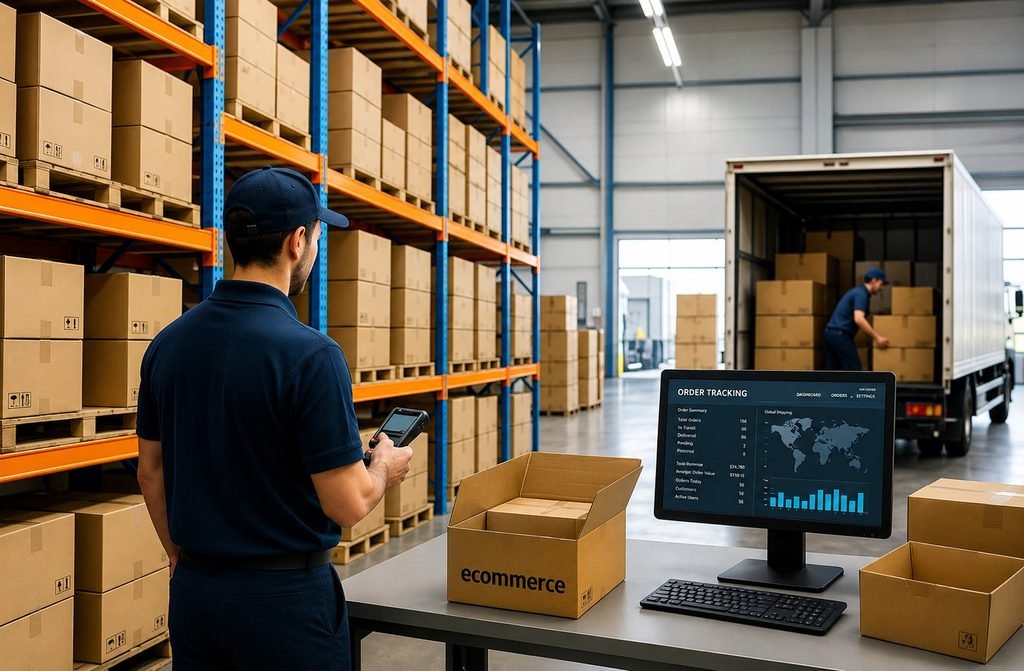
| Service | Best Section | Suggested Anchor Text | Link |
|---|---|---|---|
| Web Development Services | Build Your E-commerce Website | web development services | Web Development Services |
| SEO Services | Optimize Your Online Store for SEO | SEO services | SEO Services |
| Company Profile Designing Services | Register Your Business Name and Brand | company profile designing services | Company Profile Designing Services |
| Graphic Design Services | Branding, Product Visuals & Social Media | graphic design services | Graphic Design Services |
| Social Media Marketing Services | Promote Your Online Store | social media marketing services | Social Media Marketing Services |
| Video Editing Services | Product Videos & Short-Form Content | video editing services | Video Editing Services |
Recommended Natural Placement
Build Your E-commerce Website:
If you need a professional online store, T-Codez provides web development services to help businesses create responsive, user-friendly, and conversion-focused e-commerce websites.
Optimize Your Online Store for SEO:
A strong SEO strategy can help your products reach customers who are actively searching online. T-Codez provides SEO services covering keyword research, on-page optimization, technical SEO, and content strategy.
Register Your Business Name and Brand:
A professional brand identity can help your business appear more credible and memorable. T-Codez provides company profile designing services to help businesses present their brand professionally.
Branding / Product Visuals:
Professional graphic design services can help create product banners, social media creatives, promotional graphics, and other visual assets for your online store.
Promote Your Online Store:
T-Codez provides social media marketing services to help businesses build awareness, engage with potential customers, and promote their products across relevant platforms.
Product Videos and Short-Form Content:
Professional video editing services can turn product footage, demonstrations, testimonials, and unboxing videos into engaging content for social media and advertising campaigns.
Important: Har service ko sirf 1–2 relevant places par link karein. Same exact anchor text ko baar baar repeat na karein. Isse internal linking natural rahegi aur SEO ke liye better structure banega.
Frequently Asked Questions About Starting an Online Store in UAE
Yes. Beginners can start an online store by choosing a focused product range, researching the UAE market, selecting a suitable business setup, and building a simple e-commerce website. Start small, test demand, and expand as your business grows.
You may need an appropriate business license or authorization to operate an online business in the UAE. Requirements can vary based on your business activity, structure, and location. Always confirm current requirements with the relevant UAE authorities before starting.
There is no fixed cost. Your budget may include licensing, website development, products, packaging, payment processing, shipping, branding, and digital marketing. Costs depend on your business model and the scale of your store.
Shopify, WooCommerce, and custom e-commerce solutions can all be suitable. The best option depends on your budget, product range, technical requirements, payment integrations, customization needs, and long-term growth plans.
Use a combination of SEO, social media marketing, Google Ads, Meta Ads, content marketing, product videos, and customer reviews. Monitor your results regularly and invest more in the channels that generate quality traffic and sales.