Why WordPress Is the Best Choice for Small Businesses in 2026
August 22, 2026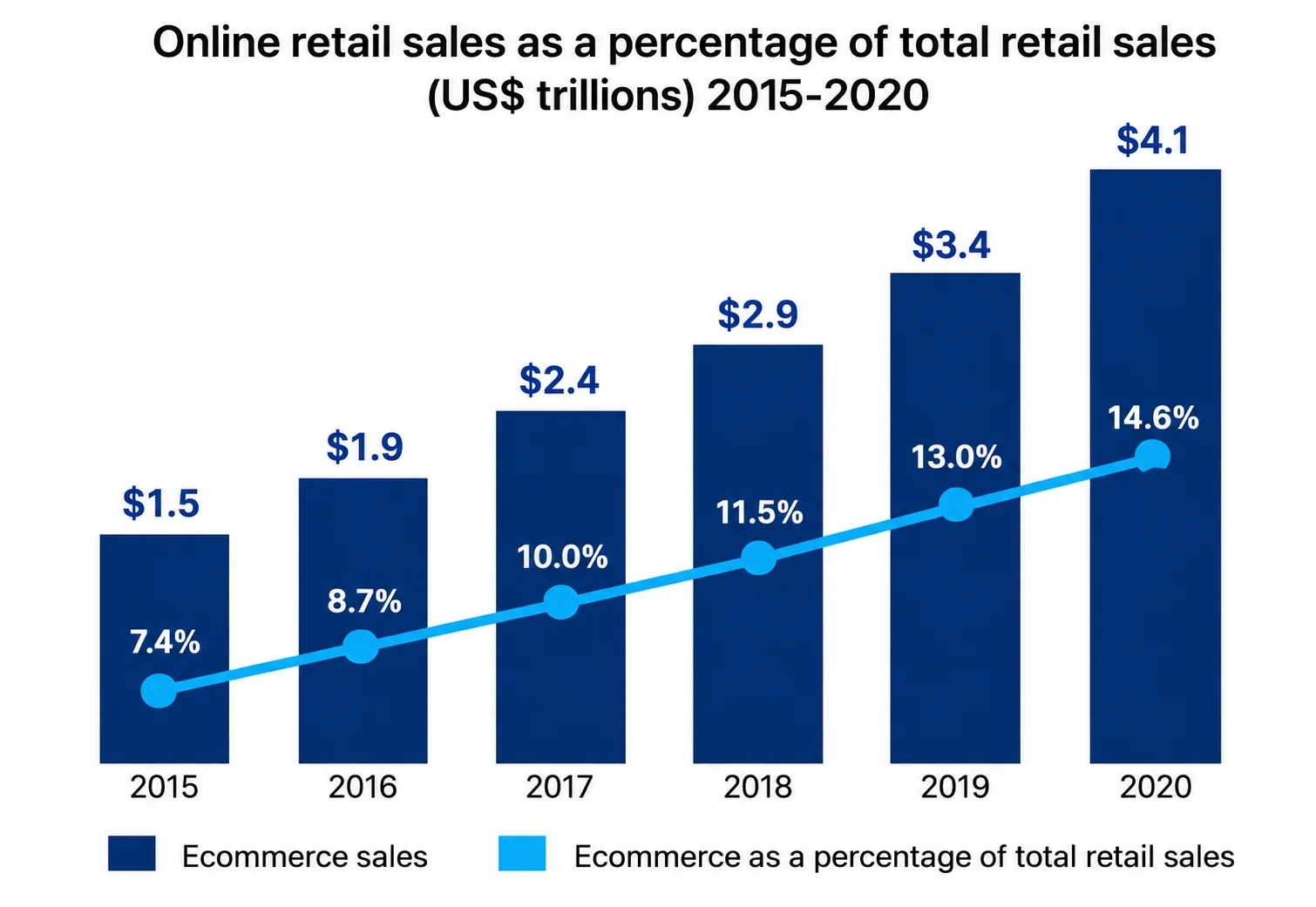
How to Start an Online Store in UAE (Step-by-Step Guide)
August 31, 2026Shopify vs WooCommerce: Business?
Choosing the right ecommerce platform can have a major impact on your online store’s success. Shopify and WooCommerce are two of the most popular options for building and managing an ecommerce website. Both platforms can help businesses sell products online, but they work in different ways.
Shopify is a hosted ecommerce platform that provides most of the tools needed to launch and manage an online store in one place. WooCommerce is an ecommerce plugin for WordPress that gives businesses more control over website design, functionality, hosting, and customization.
The choice between Shopify vs WooCommerce depends on your business goals, budget, technical knowledge, and future growth plans. Shopify is often a good choice for businesses that want a simple setup with less technical maintenance. WooCommerce can be a better option for businesses that want greater flexibility and control over their website.
Shopify vs WooCommerce: What’s the Difference?
Shopify and WooCommerce both help businesses create online stores, but their approaches are different. Shopify is a complete hosted solution, while WooCommerce works with WordPress and requires separate hosting.
Shopify as a Hosted Ecommerce Platform
Shopify provides the main infrastructure needed to run an ecommerce store. This includes hosting, security features, store management tools, themes, payment integrations, and various ecommerce features.
Because Shopify manages much of the technical infrastructure, business owners can focus more on products, customers, sales, and marketing. This makes Shopify attractive to beginners and businesses that do not want to manage servers, software updates, or complex technical tasks.
WooCommerce as a WordPress Ecommerce Plugin
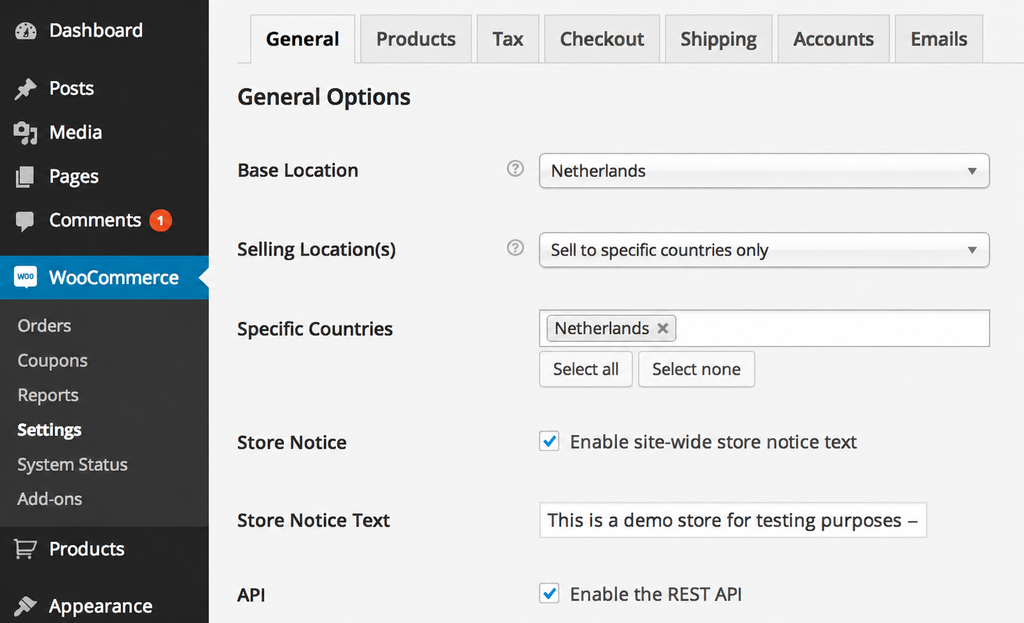
WooCommerce is an open-source ecommerce plugin designed for WordPress websites. It adds ecommerce functionality to WordPress and allows businesses to build highly customized online stores.
With WooCommerce, you can choose your hosting provider, install plugins, customize your website code, and control many aspects of your store. This flexibility makes WooCommerce popular among businesses that need custom features or already use WordPress.
For businesses looking for professional ecommerce website development in Pakistan, WooCommerce can provide a strong foundation for creating a store that matches specific business requirements.
Ease of Use, Flexibility, Ownership, and Maintenance
The biggest difference between Shopify and WooCommerce comes down to control and convenience.
Shopify generally offers a simpler experience. Most technical requirements are managed within the platform. You can select a theme, add products, configure payments, and start selling without handling many technical tasks.
WooCommerce provides more control but may require more involvement. You are responsible for choosing hosting, managing WordPress and plugin updates, maintaining backups, and addressing technical issues.
In simple terms, Shopify focuses more on convenience, while WooCommerce focuses more on flexibility and control.
For businesses that want a quick and managed solution, Shopify can be an excellent choice. For businesses that need advanced customization, content flexibility, and greater ownership, WooCommerce may be more suitable.
The right choice is not simply about which platform is more popular. It is about choosing the platform that fits your business model, technical requirements, budget, and long-term goals.
Shopify vs WooCommerce at a Glance
Before choosing an ecommerce platform, it helps to understand the main differences between Shopify and WooCommerce. Both platforms can support online stores, but they offer different levels of control, flexibility, maintenance, and technical management.
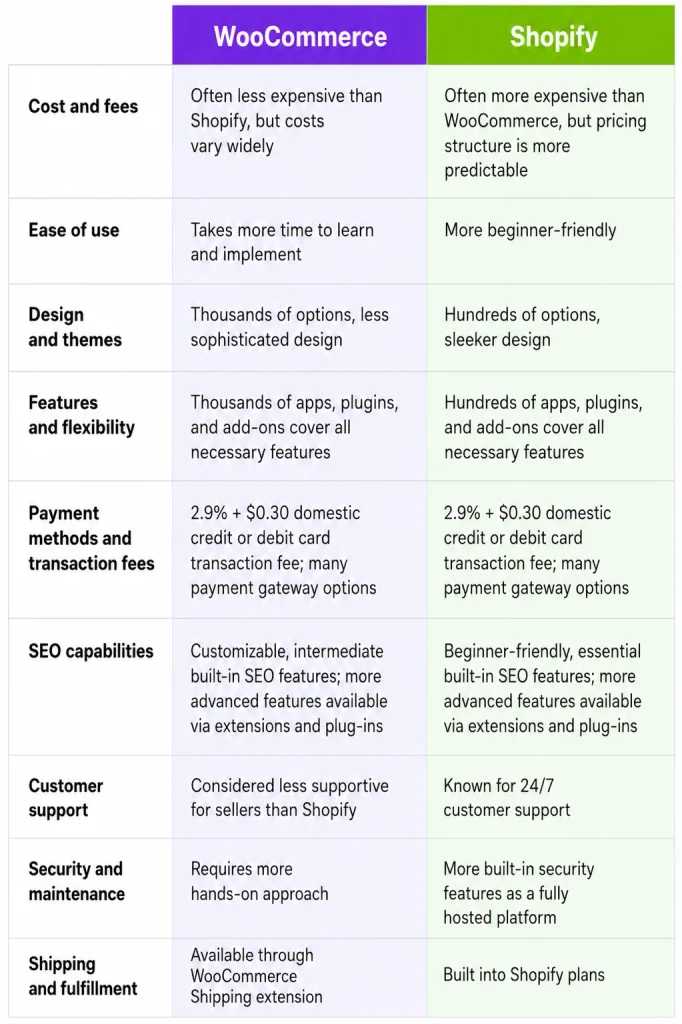
Quick Comparison of Shopify and aWooCommerce
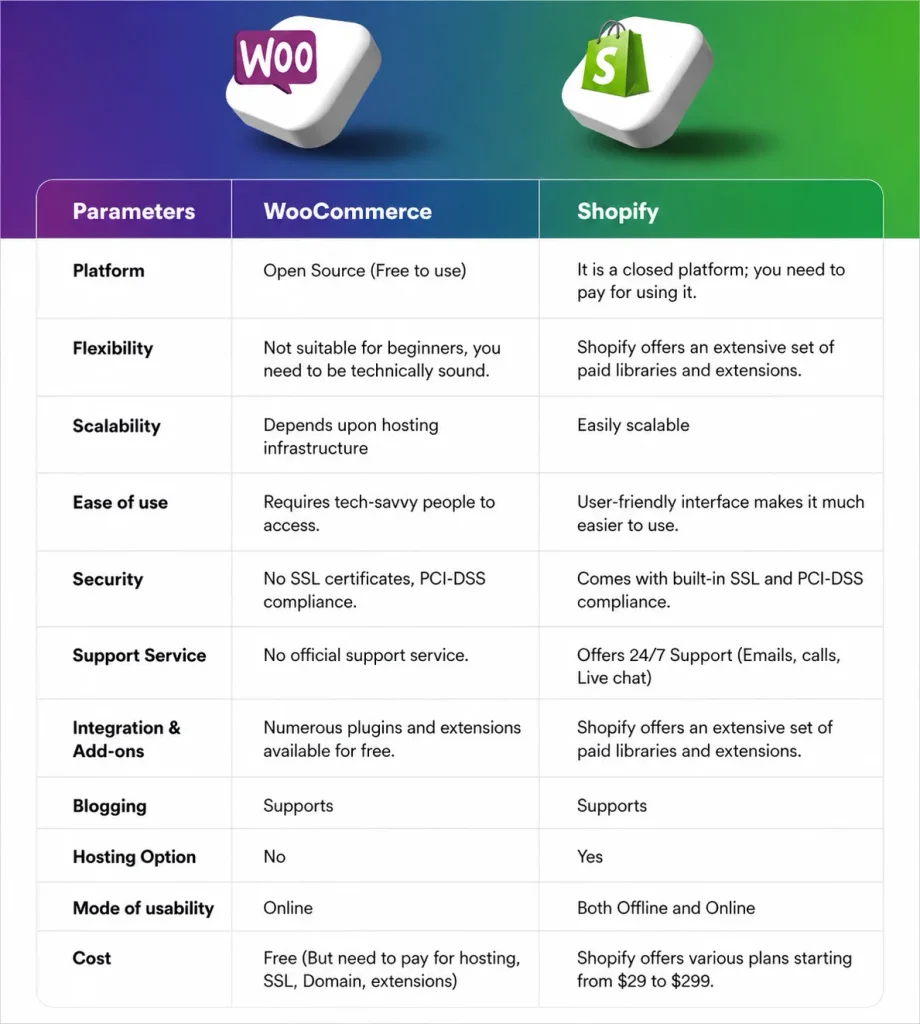
| Feature | Shopify | WooCommerce |
|---|---|---|
| Ease of use | Very easy for beginners | Requires some WordPress knowledge |
| Pricing | Monthly subscription | Free core plugin, but hosting and extensions cost extra |
| Hosting | Hosting is included | Hosting must be purchased separately |
| Design and customization | Good customization with themes and apps | Extensive customization options |
| SEO | Strong built-in SEO features | Highly flexible SEO options through WordPress and plugins |
| Security | Security and infrastructure are largely managed | Security requires active management |
| Scalability | Suitable for growing businesses | Highly scalable with the right hosting and setup |
| Payment options | Wide range of payment integrations | Wide range of payment gateways and extensions |
| Plugins and apps | Large Shopify App Store | Large WordPress plugin ecosystem |
| Maintenance | Lower technical maintenance | More ongoing maintenance is usually required |
| Ownership and control | Less technical control over infrastructure | Greater control over website, files, and database |
Shopify is generally easier to manage because hosting, security, and much of the technical infrastructure are handled by the platform. This makes it suitable for business owners who want to launch an online store quickly and focus on sales and marketing.
WooCommerce offers greater control and customization. Since it runs on WordPress, businesses can choose their hosting provider, customize their website, install plugins, and modify the store according to their specific requirements. This makes it particularly useful for businesses that need custom website development in Pakistan or advanced ecommerce functionality.
Pricing is another important difference. Shopify uses a subscription-based model, while WooCommerce itself is free to install. However, WooCommerce users still need to consider hosting, premium themes, plugins, security, backups, and maintenance costs.
Both platforms can support SEO, but WooCommerce provides extensive control through WordPress and SEO plugins. Shopify also includes many useful SEO features, making it possible to optimize product pages, collections, content, and other important store elements.
When it comes to scalability, both Shopify and WooCommerce can support growing businesses. The better option depends on factors such as website traffic, product volume, integrations, performance requirements, and technical resources.
Ultimately, Shopify is a strong choice for simplicity and managed e-commerce, while WooCommerce is a strong choice for flexibility, customization, and control. Your business goals should determine which platform is the better fit.
What Is Shopify?
Shopify is a hosted ecommerce platform that helps businesses create, manage, and grow online stores. It provides the main tools needed to sell products online without requiring business owners to manage web hosting or complex server configurations.
With Shopify, you can create a store, add products, manage orders, accept payments, track inventory, and monitor sales from one dashboard. Its simple interface makes it a popular choice for startups, small businesses, and established brands.
For businesses that want to launch an online store without handling extensive technical tasks, Shopify can provide a practical and efficient solution.
Key Features of Shopify
Hosted Ecommerce Solution
Shopify is a fully hosted platform. This means hosting is included with the service, so you do not need to purchase and configure a separate hosting account.
Shopify also manages much of the technical infrastructure behind your store. This allows business owners to spend more time on products, customers, marketing, and sales.
Ready-Made Themes
Shopify provides a range of ready-made themes that can be used to create a professional-looking online store. Themes can be customized to match your brand, products, and overall design preferences.
Businesses can also work with a professional web development company pakistan to create a more customized Shopify experience when standard themes are not enough.
Shopify App Store
The Shopify App Store provides applications that can extend the functionality of an online store. Businesses can find tools for email marketing, customer support, product reviews, analytics, shipping, sales, and other ecommerce needs.
These apps allow store owners to add features without developing every function from scratch.
Payment Integrations
Shopify supports various payment solutions and payment integrations. This allows businesses to provide customers with convenient ways to pay for their purchases.
The available payment methods can vary depending on the business location, selected payment provider, and Shopify setup. Businesses should review available payment options before launching their store.
Inventory Management
Shopify includes tools for managing products and inventory. Store owners can add products, update stock levels, organize product variations, and monitor inventory from the administration dashboard.
These features can make it easier to manage an online catalog, especially as the number of products grows.
Analytics and Reporting
Shopify provides analytics and reporting tools that help businesses understand store performance. Depending on the plan and setup, merchants can monitor information such as sales, orders, customer behavior, traffic, and product performance.
These insights can support better decisions about marketing, pricing, inventory, and sales strategies.
Security and Updates
Security is another important advantage of a hosted platform. Shopify manages much of the underlying infrastructure, including platform updates and security maintenance.
This reduces the technical workload for store owners. Instead of managing servers and software updates themselves, businesses can focus on maintaining products, improving the customer experience, and growing their online presence.
Overall, Shopify is designed for businesses that want a convenient ecommerce solution with built-in infrastructure, professional themes, useful integrations, and simplified technical management.
Pros and Cons of Shopify
Shopify offers a convenient way to build and manage an ecommerce store, but it is not the perfect choice for every business. Understanding its advantages and disadvantages can help you decide whether it fits your business needs.
Advantages of Shopify
Easy Setup
Shopify makes it possible to launch an online store without dealing with complicated server configurations. You can choose a theme, add products, configure payments, and start selling through a centralized dashboard.
This simple setup can save time for new businesses that want to establish an online presence quickly.
Beginner-Friendly Dashboard
The Shopify dashboard is designed to be easy to understand. Store owners can manage products, orders, customers, discounts, inventory, and other important tasks from one place.
You do not need advanced technical knowledge to perform many everyday ecommerce tasks.
Hosting Included
Shopify includes hosting with its platform. You do not need to purchase separate web hosting or configure a server before launching your store.
This can make Shopify especially convenient for businesses that want to avoid the technical responsibilities associated with self-hosted ecommerce websites.
Strong Security
Shopify manages much of the platform infrastructure and security. It also handles important platform updates, reducing the amount of technical maintenance required from store owners.
However, businesses should still use strong passwords, secure accounts, and follow recommended security practices.
Good Scalability
Shopify can support businesses as they grow from a small online store into a larger ecommerce operation. Businesses can expand their product catalog, add applications, improve marketing, and increase sales without having to manage their own server infrastructure.
This makes Shopify a practical option for businesses planning long-term ecommerce growth.
Disadvantages of Shopify
Monthly Subscription
Shopify operates on a subscription-based pricing model. Businesses need to pay for their selected plan to continue using the platform.
Additional expenses can also come from premium themes, applications, and other services. Therefore, businesses should consider the total cost rather than looking only at the basic subscription price.
Transaction-Related Costs Depending on Setup
Depending on the payment gateway and Shopify configuration you use, transaction-related fees may apply. Payment processing charges can also vary between providers.
Before choosing Shopify, businesses should compare the available payment options and understand the applicable fees.
Less Technical Control
Shopify provides convenience by managing much of the underlying infrastructure. However, this also means businesses have less direct control over servers, databases, and certain technical aspects of the platform.
Businesses that require highly customized infrastructure may prefer a more flexible solution such as WooCommerce.
Some Advanced Features Require Paid Apps
Shopify provides many useful features, but some advanced functionality may require third-party applications. These apps can add powerful features, but they may also increase monthly operating costs.
For businesses with complex requirements, professional ecommerce development can help determine which features are essential and which solutions provide the best long-term value.
Overall, Shopify is a strong option for businesses that prioritize ease of use, managed hosting, security, and scalability. However, its subscription costs, application expenses, and limitations on technical control should be considered before making a final decision.
What Is WooCommerce?
WooCommerce is an ecommerce plugin for WordPress that turns a standard WordPress website into a fully functional online store. It allows businesses to sell physical products, digital products, subscriptions, services, and more.
Unlike Shopify, WooCommerce is not a hosted ecommerce platform. Businesses need WordPress hosting and a domain to run their store. This approach provides more control over the website and its technical setup.
WooCommerce is a popular choice for businesses that want flexibility, customization, and control over their online store. It can be particularly useful for companies already using WordPress or those looking for custom ecommerce solutions.
Key Features of WooCommerce
WordPress-Based Ecommerce
WooCommerce works directly with WordPress, one of the world’s most widely used content management systems. This combination allows businesses to manage website content and ecommerce functionality from the same platform.
Businesses can create product pages, categories, blog posts, landing pages, and other content while managing products and orders through WooCommerce.
For companies looking for wordpress website development pakistan, WooCommerce can provide a strong foundation for building a content-rich ecommerce website.
Open-Source Platform
WooCommerce is an open-source ecommerce solution. The core plugin is available without a traditional platform subscription, although businesses still need to pay for services such as hosting, domain registration, premium extensions, and maintenance when required.
Its open-source nature also gives developers greater freedom to modify and extend the platform.
Extensive Customization
One of WooCommerce’s biggest advantages is its flexibility. Businesses can customize the store’s design, product pages, checkout experience, navigation, and functionality.
Developers can also modify themes, use plugins, add custom code, and integrate external systems. This makes WooCommerce suitable for businesses with unique requirements that cannot be easily handled by standard ecommerce templates.
A professional website development company pakistan can help businesses create custom features while maintaining performance, usability, and security.
Large Plugin Ecosystem
WooCommerce benefits from the extensive WordPress plugin ecosystem. Businesses can choose from thousands of plugins and extensions for marketing, SEO, payments, shipping, analytics, security, customer management, and other functions.
This allows businesses to expand their store as their requirements change. However, using too many plugins can affect website performance and security, so extensions should be selected carefully.
Flexible Payment Gateways
WooCommerce supports a wide range of payment gateways through extensions and integrations. Businesses can choose payment solutions based on their target customers, location, currencies, and business requirements.
This flexibility can be valuable for businesses serving both local and international customers.
Before launching an ecommerce store, it is important to confirm that the preferred payment gateway supports the business’s country and required payment methods.
Complete Control Over Website Data and Hosting
WooCommerce gives businesses greater control over their website files, database, hosting environment, and store data. Businesses can choose their hosting provider and migrate their website when necessary.
This level of control can be especially useful for businesses with specific technical requirements or long-term customization plans.
However, greater control also means greater responsibility. Website owners need to manage hosting, backups, WordPress updates, plugin updates, security, and performance.
Overall, WooCommerce is a powerful choice for businesses that value customization, ownership, and flexibility. It can work especially well for businesses that already use WordPress or need a highly customized ecommerce store.
Pros and Cons of WooCommerce
WooCommerce gives businesses extensive control over their online stores, but that flexibility also comes with additional responsibilities. Understanding its advantages and disadvantages can help you decide whether it is the right platform for your ecommerce business.
Advantages of WooCommerce
Highly Customizable
WooCommerce allows businesses to customize almost every part of their online store. Developers can modify themes, product pages, checkout processes, navigation, and other website elements.
This flexibility is useful for businesses with unique requirements that need more than a standard ecommerce template. Professional custom website development pakistan can also help create tailored features and user experiences.
Flexible Hosting Options
Unlike Shopify, WooCommerce does not lock businesses into a specific hosting environment. Store owners can choose a hosting provider based on their budget, traffic requirements, performance goals, and technical needs.
As the business grows, the website can also be moved to a more powerful hosting solution when necessary.
Strong SEO Potential
WooCommerce runs on WordPress, which provides extensive options for content creation and search engine optimization. Businesses can optimize product pages, categories, blog content, URLs, metadata, images, internal links, and other important SEO elements.
With a well-optimized website and a strong SEO strategy, WooCommerce can provide an excellent foundation for organic search growth. Businesses can also work with professional seo services pakistan to improve their ecommerce visibility.
Large Extension Ecosystem
WooCommerce benefits from the large WordPress plugin ecosystem. Businesses can add functionality for payments, shipping, analytics, email marketing, product reviews, SEO, security, and customer management.
This makes it easier to expand an online store as new business requirements appear.
Greater Control Over Website Functionality
WooCommerce gives businesses greater control over their website’s files, database, hosting, design, and functionality. Developers can modify the platform and integrate external systems according to specific business needs.
This makes WooCommerce a strong option for businesses that want long-term flexibility and control over their ecommerce website.
Disadvantages of WooCommerce
Requires WordPress Hosting
WooCommerce requires a WordPress website and suitable hosting. Businesses must purchase hosting separately and ensure that the server can handle their website’s traffic, products, and functionality.
Choosing reliable hosting is important because poor hosting can negatively affect website speed, stability, and user experience.
More Maintenance
WooCommerce generally requires more ongoing maintenance than a fully hosted platform. Website owners may need to manage WordPress updates, WooCommerce updates, plugins, themes, backups, performance, and other technical tasks.
For businesses without technical resources, professional web development services pakistan can help manage these responsibilities.
Security and Updates Need Attention
Because WooCommerce websites are self-hosted, security requires active management. Businesses should keep WordPress, WooCommerce, themes, and plugins updated and use reliable security and backup solutions.
Regular monitoring can help reduce the risk of vulnerabilities and technical problems.
Technical Knowledge May Be Required
WooCommerce is flexible, but some tasks can require technical knowledge. Configuring hosting, resolving plugin conflicts, improving performance, customizing code, and troubleshooting errors may be challenging for beginners.
Businesses can work with a web development company in Pakistan when they need professional assistance with setup, customization, maintenance, or troubleshooting.
Overall, WooCommerce is a powerful ecommerce solution for businesses that value flexibility, customization, SEO potential, and control. However, its additional maintenance and technical requirements should be considered before choosing it over Shopify.
Shopify vs WooCommerce: Detailed Comparison
Choosing between Shopify and WooCommerce requires more than looking at their basic features. The right platform should match your technical skills, budget, business model, and long-term ecommerce goals. Two of the most important factors to consider are ease of use and overall cost.
1. Ease of Use
Shopify and WooCommerce offer different experiences when it comes to setting up and managing an online store.
Shopify is generally easier for beginners. Since it is a hosted platform, many technical tasks are handled for you. You can create an account, choose a theme, add products, configure payment options, and start managing orders from one dashboard.
Daily tasks are also straightforward. Business owners can update products, check orders, manage customers, create discounts, and review store performance without needing advanced technical knowledge.
WooCommerce requires more initial setup. You first need a WordPress website, hosting, a domain, and the WooCommerce plugin. You may also need to configure a theme, payment gateways, shipping settings, security tools, and other plugins.
Once the store is configured, WooCommerce can still be relatively easy to manage. However, technical tasks such as plugin updates, backups, performance optimization, and troubleshooting may require additional knowledge.
For beginners who want a simple and managed solution, Shopify may have an advantage. For businesses that want greater control and are comfortable with WordPress, WooCommerce can offer more flexibility.
If you need help building or managing an ecommerce store, a professional web development company pakistan can help you choose the right platform and create a solution based on your business requirements.
2. Pricing and Overall Costs
The price of an ecommerce platform is not limited to the initial setup. Businesses should consider subscription fees, hosting, themes, plugins, maintenance, development, payment processing, and other ongoing expenses.
Subscription Costs
Shopify uses a subscription-based model. You select a Shopify plan and pay a recurring fee to use the platform. Different plans provide different features and capabilities.
WooCommerce itself is free to download and use as an open-source plugin. However, this does not mean that a WooCommerce store is completely free. Other services are still required to operate the website.
Hosting
Shopify includes hosting as part of its platform. This means you do not need to purchase separate web hosting or manage a server.
WooCommerce requires separate WordPress hosting. The cost can vary depending on the hosting provider, storage, traffic capacity, performance, and security features.
For a small store, basic hosting may be sufficient. A growing ecommerce business may eventually need more powerful hosting to maintain speed and reliability.
Themes
Both Shopify and WooCommerce offer free and paid themes.
Shopify provides professionally designed themes that can help businesses create an attractive storefront. Premium themes may provide additional customization and features.
WooCommerce offers a much broader WordPress theme ecosystem. Businesses can select free themes, premium ecommerce themes, or fully customized designs.
The final cost depends on whether you use an existing theme or hire developers to create a custom design.
Plugins and Apps
Shopify uses apps to extend store functionality. Some apps are free, while others require monthly or one-time payments.
WooCommerce uses WordPress plugins and WooCommerce extensions. Many free options are available, but premium plugins may require annual or recurring payments.
Businesses should avoid installing unnecessary extensions. Too many apps or plugins can increase costs and may affect website performance.
Maintenance
Shopify generally requires less technical maintenance because the platform manages much of the hosting, infrastructure, security, and updates.
WooCommerce requires more active maintenance. Businesses may need to manage WordPress, WooCommerce, plugins, themes, backups, security, and performance.
For businesses without an in-house technical team, ongoing website maintenance can become an important part of the overall ecommerce budget.
Development Costs
Development costs depend on the complexity of the store rather than the platform alone.
A simple Shopify or WooCommerce store can often be launched with a ready-made theme and basic configuration. However, businesses that require custom designs, advanced integrations, unique checkout features, API connections, or specialized functionality may need professional development.
For example, a business seeking ecommerce website development in Pakistan may invest in professional development to create a faster, more user-friendly, and conversion-focused store.
In the end, Shopify can provide more predictable platform costs, while WooCommerce offers greater freedom to choose hosting, plugins, themes, and development solutions. The best option depends on your budget, technical requirements, and the level of control you want over your ecommerce website.
3. Design and Customization
Design plays an important role in ecommerce because your website affects how customers view your brand and how easily they can find and purchase products.
Shopify offers a selection of professionally designed themes that make it easy to create a modern online store. Themes can be customized using Shopify’s built-in options, and additional apps can extend the store’s functionality.
For many small businesses, Shopify provides enough flexibility to create a professional storefront without extensive development work. However, businesses with highly specific design requirements may find some platform limitations.
WooCommerce offers greater design flexibility because it works with WordPress. Businesses can choose from a large range of themes, modify templates, add plugins, and customize website code.
This makes WooCommerce a strong choice for businesses that want a unique ecommerce experience. Developers can customize product layouts, navigation, checkout pages, landing pages, and other parts of the website according to specific business requirements.
Professional web development services can make a significant difference on either platform. A professional developer can improve the website structure, user experience, mobile responsiveness, performance, and conversion flow.
Businesses that need advanced functionality can also invest in custom website development pakistan to create an ecommerce store that is designed around their products and customers rather than relying entirely on a standard template.
Overall, Shopify is convenient for businesses that want a polished store with less technical work, while WooCommerce generally provides more freedom for deep customization.
4. SEO Capabilities
Search engine optimization is essential for ecommerce businesses that want to attract customers through organic search. Both Shopify and WooCommerce can support SEO, but they provide different levels of flexibility.
On-Page SEO
Both platforms allow businesses to optimize important on-page elements such as product titles, descriptions, headings, images, and internal links.
WooCommerce benefits from WordPress’s extensive content management capabilities and SEO plugins. Shopify also provides built-in options for managing many common on-page SEO elements.
The quality of the content and optimization strategy matters more than the platform alone.
Technical SEO
Technical SEO focuses on areas such as website structure, crawling, indexing, performance, mobile usability, redirects, and structured data.
Shopify handles many technical infrastructure tasks automatically, which can make technical management easier for beginners. WooCommerce provides greater control, but website owners are more responsible for hosting, plugins, updates, security, and performance.
Businesses that need advanced technical SEO services pakistan can optimize their ecommerce website based on technical requirements and search engine best practices.
URLs
Shopify and WooCommerce both allow businesses to create search-friendly URLs, although each platform has its own URL structure and limitations.
WooCommerce provides extensive control through WordPress settings and plugins. Shopify offers simpler URL management, but certain system-generated structures cannot always be changed.
Metadata
Title tags and meta descriptions help search engines understand webpages and can influence how pages appear in search results.
Both platforms allow businesses to manage important metadata. WooCommerce users can also use SEO plugins to gain additional control over optimization.
A consistent metadata strategy is particularly important for ecommerce stores with hundreds or thousands of product pages.
Site Speed
Website speed affects both user experience and search performance. Slow ecommerce pages can increase frustration and may reduce conversions.
Shopify manages much of the hosting infrastructure, which simplifies performance management. WooCommerce performance depends heavily on hosting quality, themes, plugins, images, caching, and website configuration.
Regardless of the platform, businesses should optimize images, reduce unnecessary scripts, use efficient themes, and choose reliable hosting.
Blogging
WooCommerce has a natural advantage for content marketing because it runs on WordPress. WordPress provides extensive blogging and content management features.
This can make it easier for businesses to publish buying guides, product comparisons, tutorials, industry articles, and other content that supports organic search.
Shopify also includes blogging functionality, allowing businesses to publish content alongside their ecommerce store. However, businesses that require advanced publishing workflows may prefer the broader WordPress ecosystem.
Schema
Structured data, commonly known as schema markup, can help search engines understand information about products, reviews, prices, availability, and other website elements.
Both platforms can support ecommerce schema. Shopify provides built-in structured data through its themes and ecosystem, while WooCommerce can use plugins and custom development to implement or improve schema.
Proper implementation is important because incorrect or incomplete structured data can reduce its usefulness.
SEO Plugins and Tools
WooCommerce benefits from the large number of WordPress SEO plugins and tools available. These can provide additional options for managing metadata, XML sitemaps, redirects, schema, internal linking, and other SEO tasks.
Shopify also offers SEO applications and built-in optimization features. Its approach is generally simpler, which can be useful for store owners who do not want to manage many technical settings.
If your ecommerce website needs a comprehensive strategy, professional seo services pakistan can help improve organic visibility across product pages, category pages, blog content, and technical elements.
Businesses can also use search engine optimization pakistan strategies to target relevant commercial and local searches.
Ultimately, both Shopify and WooCommerce can rank well in search engines. WooCommerce offers greater SEO customization through WordPress, while Shopify provides a simpler SEO environment with less technical management. The platform is important, but high-quality content, technical optimization, site performance, keyword targeting, and consistent SEO work have a greater impact on long-term search visibility.
5. Security and Maintenance
Security is essential for every ecommerce website because online stores handle customer information, orders, and payment-related data. Shopify and WooCommerce take different approaches to security and maintenance.
Shopify provides a managed environment. The platform handles much of the underlying infrastructure, platform updates, and security maintenance. This reduces the technical workload for business owners and allows them to focus on products, customers, and marketing.
WooCommerce gives businesses more control, but that control also creates additional responsibilities. Store owners need to manage WordPress, WooCommerce, themes, plugins, hosting, backups, and security updates.
Regular maintenance is important for keeping a WooCommerce store secure and reliable. Businesses should use trusted plugins, perform regular backups, keep software updated, and monitor website performance.
For businesses that do not have technical resources, professional website maintenance and web development services can help manage updates, security, performance, and technical issues.
Overall, Shopify is usually easier to maintain because more infrastructure is managed for you. WooCommerce requires more active management but provides greater control over the website environment.
6. Scalability and Performance
As an ecommerce business grows, its website needs to handle more products, visitors, orders, and customer activity. Scalability should therefore be considered before selecting an ecommerce platform.
Shopify is designed to support businesses as they grow. Since hosting and much of the infrastructure are managed by Shopify, store owners do not need to manually upgrade servers as traffic increases.
This makes Shopify convenient for businesses that expect changing traffic levels or rapid growth. However, businesses may still need to optimize themes, images, apps, and store content to maintain a good user experience.
WooCommerce can also scale effectively, but performance depends more heavily on the hosting environment and website configuration. A small store may work well on basic hosting, while a large store may require managed WordPress hosting, stronger server resources, caching, a content delivery network, and careful database optimization.
The number of plugins can also affect performance. Businesses should remove unnecessary plugins and use well-maintained extensions.
For growing businesses looking for ecommerce website development pakistan, professional development can help optimize website architecture, page speed, database performance, and user experience.
Both platforms can support large ecommerce businesses. Shopify offers simpler infrastructure management, while WooCommerce provides greater control over how the website is optimized and scaled.
7. Payment Gateways
Payment flexibility is another important factor when choosing between Shopify and WooCommerce. Customers expect secure and convenient payment methods, so businesses should select a platform that supports the gateways required by their target market.
Shopify supports a range of payment providers and payment integrations. The available options depend on the business’s location, currency, selected payment provider, and Shopify configuration.
WooCommerce also supports many payment gateways through extensions and integrations. Because WooCommerce is highly customizable, businesses can integrate different payment solutions based on their specific requirements.
For international businesses, it is important to consider support for multiple currencies, international payment methods, taxes, and regional checkout requirements.
Local businesses should also confirm that their preferred payment gateway works in their country and supports their target customers before developing the store.
Payment processing fees and any platform-related transaction charges should also be considered when calculating the total cost of an ecommerce business.
The best choice depends on your target market and required payment methods. Before launching a store, businesses should verify gateway availability, fees, supported currencies, and integration requirements.
8. Apps, Plugins, and Integrations
Both Shopify and WooCommerce allow businesses to extend their ecommerce functionality through third-party tools.
Shopify uses applications available through the Shopify App Store. These apps can add features for email marketing, customer support, reviews, shipping, analytics, subscriptions, inventory, sales, and other business needs.
The main advantage is convenience. Store owners can often add new functionality without hiring a developer for every feature. However, some apps require recurring payments, which can increase the monthly cost of running the store.
WooCommerce uses WordPress plugins and WooCommerce extensions. The WordPress ecosystem provides a large selection of tools for SEO, marketing, payments, shipping, security, analytics, customer management, and more.
WooCommerce also provides greater flexibility for custom integrations. Developers can connect the store with external software, CRMs, accounting systems, inventory platforms, APIs, and other business tools.
However, businesses should be careful when installing plugins. Poorly developed or outdated plugins can create security risks, compatibility problems, and performance issues.
Whether you choose Shopify or WooCommerce, integrations should support your business goals rather than simply adding unnecessary features. A well-planned ecommerce store should use reliable tools that improve customer experience, automate business processes, and support long-term growth.
9. Mobile Responsiveness and User Experience
Mobile shopping has become an important part of ecommerce. Customers often discover products, compare prices, read reviews, and complete purchases using smartphones. For this reason, an ecommerce website should provide a smooth experience across mobile phones, tablets, and desktop computers.
Both Shopify and WooCommerce can support responsive ecommerce websites. Shopify themes are generally designed to work across different screen sizes, while WooCommerce can be made responsive through mobile-friendly WordPress themes and custom development.
Fast loading is another important factor. Customers may leave a website if pages take too long to load. A slow store can also make browsing and checkout frustrating.
Businesses should optimize product images, reduce unnecessary scripts, use reliable hosting, and avoid excessive plugins or apps. Shopify manages much of the hosting infrastructure, while WooCommerce performance depends more heavily on hosting, theme quality, plugins, caching, and website configuration.
Easy navigation is equally important. Customers should be able to find products quickly using clear categories, search functionality, filters, and simple menus. A well-organized store can reduce friction and help visitors move from product discovery to checkout.
Mobile checkout should also be simple. Long forms, confusing payment steps, and unnecessary distractions can cause customers to abandon their carts. Both Shopify and WooCommerce can provide streamlined checkout experiences, but customization options and available payment methods may vary.
A professional ecommerce website should focus on more than visual design. Responsive layouts, fast loading times, clear navigation, accessible content, and an easy checkout process all contribute to a better user experience.
Businesses looking for professional web development services pakistan can work with experienced developers to create an ecommerce website that is responsive, user-friendly, and optimized for conversions.
10. Ownership and Control
Ownership and control are important differences between Shopify and WooCommerce.
Shopify operates as a hosted ecommerce platform. Shopify manages the hosting environment and much of the technical infrastructure required to run your store. This provides convenience because business owners do not need to manage servers, hosting configurations, or many underlying technical tasks.
However, this managed environment also means that Shopify controls much of the platform infrastructure. Businesses work within Shopify’s ecosystem and its available features, themes, applications, and platform rules.
WooCommerce takes a different approach. It runs on WordPress and allows businesses to choose their own hosting provider. Store owners generally have greater control over website files, databases, themes, plugins, and the overall hosting environment.
This flexibility can be valuable for businesses that need custom functionality or want to connect their ecommerce website with specialized systems.
WooCommerce also makes it easier to move a website between hosting providers when required. Businesses can maintain greater control over their website infrastructure and data.
However, greater control comes with greater responsibility. WooCommerce store owners need to manage hosting, backups, updates, security, plugins, and performance. They may also need technical support when making advanced changes.
In simple terms, Shopify prioritizes convenience and managed infrastructure, while WooCommerce prioritizes flexibility and control.
If your business wants a simple ecommerce solution with less technical responsibility, Shopify may be the better choice. If you want greater control over hosting, website files, databases, and customization, WooCommerce may be more suitable.
The best platform ultimately depends on how much control you need and how much technical management your business is prepared to handle.
Shopify vs WooCommerce for Small Businesses
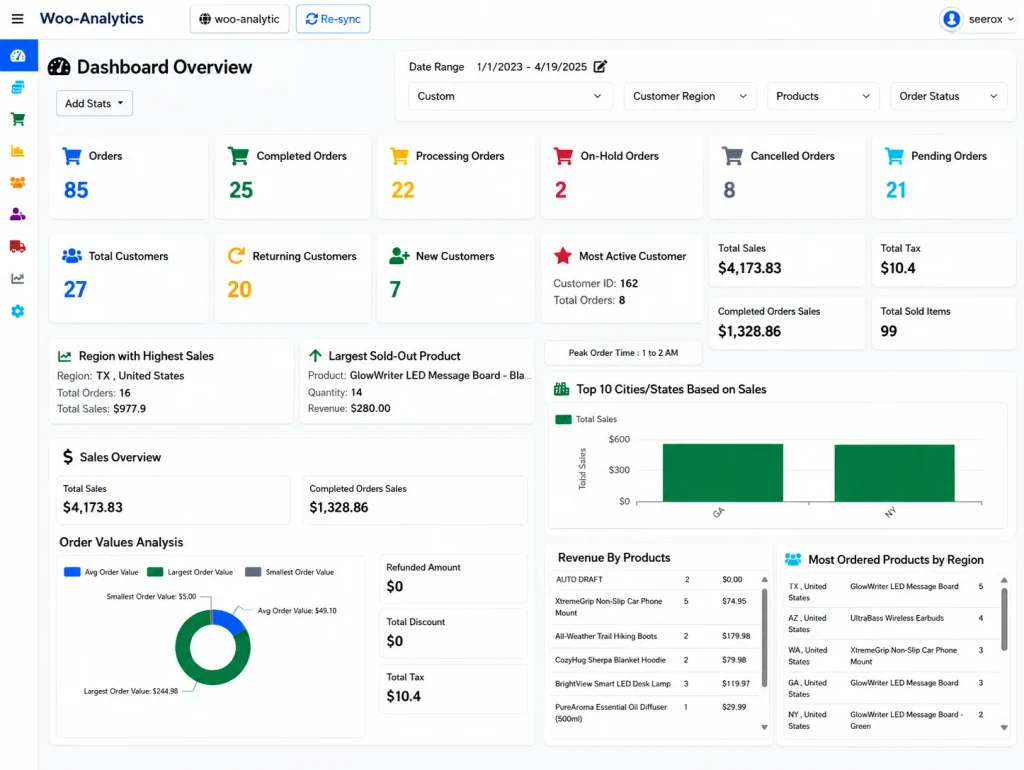
For a small business, choosing an ecommerce platform often comes down to simplicity, budget, technical expertise, and future growth. Both Shopify and WooCommerce can work well, but they suit different types of business owners.
Which Option Is Easier for a New Business?
Shopify is generally easier for a new business because it provides a managed ecommerce environment. Business owners can create a store, add products, set up payments, and manage orders without handling hosting or many technical configurations.
WooCommerce requires more initial setup because businesses need WordPress hosting, a domain, WordPress, WooCommerce, and other necessary tools. However, once the store is configured, daily product and order management can be straightforward.
For a business owner with limited technical experience, Shopify can provide a faster path to launching an online store.
Budget Considerations
Budget is an important factor for small businesses. Shopify uses a recurring subscription model, while WooCommerce is free as a core plugin.
However, WooCommerce still involves costs for hosting, domain registration, premium themes, plugins, security, backups, and maintenance. Shopify can also involve additional costs for premium themes, apps, payment processing, and other services.
The cheapest platform is not always the best choice. Businesses should compare the total cost of running and maintaining the store rather than focusing only on the initial price.
Technical Expertise
Shopify requires less technical knowledge for most everyday tasks. Its managed infrastructure reduces the need for businesses to handle hosting and server-related issues.
WooCommerce offers more flexibility but requires greater technical involvement. Businesses may need help with hosting, updates, plugin conflicts, security, performance, and customization.
Small businesses without an in-house technical team can use professional web development services pakistan to handle setup and ongoing technical requirements.
Managing Products and Orders
Both platforms provide tools for managing products, inventory, orders, customers, and sales.
Shopify offers these features through a centralized dashboard, making routine management simple. WooCommerce provides similar ecommerce functionality through WordPress, along with additional flexibility for customization.
For small stores with straightforward requirements, either platform can work effectively.
When Shopify Makes More Sense
Shopify may be a better choice when a small business:
- Wants to launch quickly
- Has limited technical knowledge
- Prefers managed hosting
- Wants less maintenance
- Needs a straightforward ecommerce solution
- Plans to focus heavily on sales and marketing
When WooCommerce Makes More Sense
WooCommerce may be a better choice when a small business:
- Already uses WordPress
- Wants extensive customization
- Needs greater control over its website
- Wants flexible hosting options
- Plans to invest in content and SEO
- Requires specific integrations or functionality
For businesses seeking wordpress website development pakistan, WooCommerce can provide a flexible foundation for building a customized online store.
Shopify vs WooCommerce for Large Businesses
Large businesses often have more complex requirements than small stores. They may need advanced integrations, higher performance, custom functionality, multiple storefronts, and ongoing technical support.
Both Shopify and WooCommerce can support growing businesses, but their strengths are different.
Scalability
Shopify provides managed infrastructure that can simplify growth. Businesses can increase products, orders, and traffic without directly managing server infrastructure.
WooCommerce can also scale significantly when it is built on suitable hosting and optimized correctly. Large WooCommerce stores may require advanced hosting, caching, database optimization, content delivery solutions, and ongoing performance monitoring.
The platform alone does not guarantee performance. Website architecture, hosting, code quality, integrations, and optimization all play important roles.
Custom Integrations
Large businesses often need to connect their ecommerce store with CRMs, ERP systems, accounting software, inventory platforms, marketing tools, shipping systems, and other business applications.
WooCommerce offers extensive customization options and can be useful for businesses that require highly specific integrations.
Shopify also supports integrations through its apps, APIs, and development ecosystem. However, businesses should evaluate whether the required integration is supported by the selected Shopify setup.
Performance
Performance becomes increasingly important as traffic, products, and transactions grow.
Shopify handles much of the underlying infrastructure, which can reduce the technical workload. Businesses should still optimize their themes, images, apps, and storefront experience.
WooCommerce performance depends heavily on hosting and website configuration. A large store may need specialized hosting, caching, optimized databases, lightweight themes, and careful plugin management.
For complex ecommerce website development pakistan projects, professional developers can build an architecture designed around expected traffic and business requirements.
Advanced Functionality
Large businesses may need features such as advanced product filtering, custom pricing, subscriptions, personalized shopping experiences, complex shipping rules, customer portals, or specialized checkout functionality.
WooCommerce provides extensive customization through plugins and custom development.
Shopify can also support advanced ecommerce functionality through applications, APIs, and custom development. The right option depends on how closely the required functionality fits each platform’s ecosystem.
Multi-Store Requirements
Businesses operating in multiple countries or markets may need different currencies, languages, product catalogs, pricing structures, domains, and customer experiences.
Shopify provides tools and configurations that can support businesses operating across multiple markets.
WooCommerce can also support multiple websites and localized stores through WordPress solutions. Its flexibility allows developers to create custom structures based on the organization’s requirements.
For businesses with complex multi-store needs, the technical architecture should be planned before development begins.
Development and Maintenance
Large ecommerce websites require ongoing development and maintenance regardless of the platform.
Shopify reduces some infrastructure responsibilities, but businesses may still need developers for theme customization, app integrations, performance improvements, and advanced functionality.
WooCommerce requires more active maintenance because businesses are responsible for hosting, WordPress, plugins, themes, backups, security, and performance.
A professional website development company in Pakistan can help large businesses plan, develop, optimize, and maintain an ecommerce platform according to their long-term goals.
Ultimately, Shopify can be an excellent choice for large businesses that value managed infrastructure and simplified operations. WooCommerce can be a strong choice for businesses that require extensive customization, ownership, and control. The right decision depends on the organization’s technical resources, budget, integrations, performance requirements, and future growth strategy.
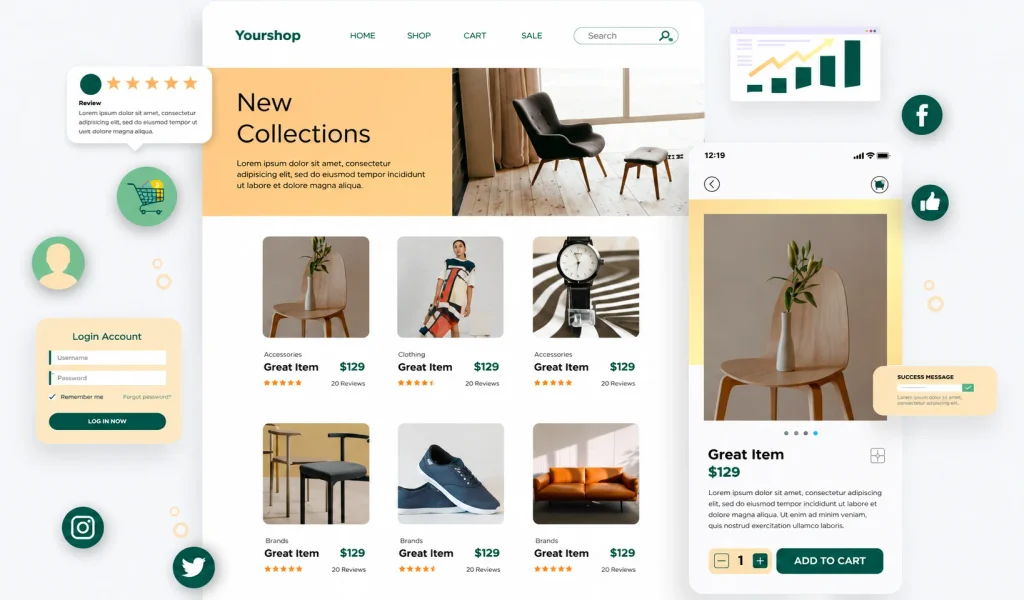
Shopify vs WooCommerce for SEO
SEO is an important part of ecommerce marketing because it helps businesses attract potential customers from search engines without relying entirely on paid advertising. Both Shopify and WooCommerce can support effective search engine optimization, but they provide different levels of flexibility and control.
The platform itself does not guarantee rankings. Website structure, content quality, technical performance, keyword targeting, user experience, and ongoing optimization all influence organic visibility.
Which Platform Is Better for Search Engine Optimization?
There is no universal winner between Shopify and WooCommerce for SEO. WooCommerce generally provides more flexibility because it runs on WordPress, while Shopify offers a simpler SEO environment with less technical management.
For businesses that want extensive customization and content flexibility, WooCommerce can be a strong option. Shopify may be better for businesses that want useful SEO features without managing many technical settings.
Technical SEO Considerations
Technical SEO helps search engines crawl, understand, and index an ecommerce website effectively.
Shopify manages much of the technical infrastructure, which can simplify areas such as hosting, security, and platform maintenance. However, businesses have less control over some technical elements.
WooCommerce gives businesses greater control over hosting, website files, plugins, redirects, performance settings, and technical configurations. This flexibility can be useful for advanced SEO strategies, but it also means more responsibility.
Businesses that need professional technical SEO services pakistan can optimize website architecture, crawling, indexing, redirects, page performance, and other technical elements.
Content and Blogging
Content marketing can help ecommerce websites attract visitors at different stages of the buying journey.
WooCommerce benefits from WordPress’s powerful content management and blogging capabilities. Businesses can publish product guides, comparisons, tutorials, industry articles, and other content alongside their online store.
Shopify also provides blogging functionality, allowing businesses to create useful content and target informational search queries. However, WordPress generally offers greater flexibility for advanced content management.
A strong content strategy should focus on helping customers rather than simply adding keywords to pages.
Product Page Optimization
Product pages are among the most important SEO assets for an ecommerce website. Each page should provide useful information that helps customers understand the product and make a purchasing decision.
Both Shopify and WooCommerce allow businesses to optimize product titles, descriptions, images, headings, URLs, and other page elements.
Businesses should use relevant keywords naturally, write unique product descriptions, optimize images, include helpful specifications, and provide clear information about pricing and availability.
Product pages should also be easy to navigate and provide a smooth path toward checkout.
Page Speed
Page speed affects both user experience and ecommerce performance. Customers may leave a slow website before viewing products or completing a purchase.
Shopify manages the hosting infrastructure, which can make performance management easier. However, heavy themes, excessive apps, large images, and unnecessary scripts can still affect the storefront experience.
WooCommerce performance depends on factors such as hosting, themes, plugins, caching, image optimization, and website configuration.
Both platforms can achieve good performance when properly optimized. Businesses should regularly test important pages and remove unnecessary elements that slow down the store.
Internal Linking
Internal linking helps visitors discover related products, categories, guides, and other useful pages. It also helps search engines understand the relationship between different pages on an ecommerce website.
For example, a product page can link to its relevant category, while a blog article can link to related products and buying guides.
WooCommerce provides extensive flexibility for creating content-based internal linking strategies through WordPress. Shopify stores can also implement effective internal linking through product collections, blogs, navigation, and related content.
A strong internal linking structure should be natural and useful for visitors rather than created only for search engines.
Structured Data
Structured data helps search engines understand important information about webpages. Ecommerce websites can use structured data for products, prices, availability, reviews, breadcrumbs, and other relevant information.
Both Shopify and WooCommerce can support ecommerce structured data. Shopify themes and apps can provide schema functionality, while WooCommerce can use plugins or custom development for additional control.
Businesses should ensure that structured data accurately represents the visible information on the page.
SEO Tools
WooCommerce benefits from the large WordPress SEO ecosystem. Businesses can use SEO plugins and other tools to manage metadata, XML sitemaps, redirects, schema, content optimization, and other SEO requirements.
Shopify also provides built-in SEO functionality and a wide selection of SEO applications. This makes it possible to manage many important optimization tasks without extensive technical work.
Businesses looking for professional seo services pakistan can develop a complete ecommerce SEO strategy covering technical SEO, content, product pages, keyword research, and ongoing optimization.
Professional search engine optimization pakistan can also help businesses improve organic visibility and attract customers searching for their products and services.
In conclusion, WooCommerce may have an advantage for businesses that want maximum SEO flexibility and content control. Shopify is a strong option for businesses that want a simpler SEO setup with less technical management. With the right strategy, both platforms can achieve strong search engine visibility.
Shopify vs WooCommerce for Marketing
Building an ecommerce store is only the first step toward growing an online business. After launching your website, you need a marketing strategy that brings qualified visitors, builds trust, and turns visitors into customers.
Both Shopify and WooCommerce can work with different digital marketing channels, including SEO, social media, email marketing, content marketing, and paid advertising. The platform you choose should make it easy to connect your store with the channels your customers already use.
Businesses can combine ecommerce development with professional seo services pakistan to improve organic visibility and attract people who are actively searching for relevant products.
For businesses targeting customers in specific cities or regions, local seo services pakistan can also support local visibility and help businesses reach nearby customers.
Technical optimization is equally important as marketing campaigns grow. Professional technical seo services pakistan can help identify issues involving website speed, crawling, indexing, redirects, structured data, and site architecture.
Businesses that want a complete SEO strategy can also work with an experienced seo expert pakistan to develop and manage an ecommerce SEO campaign.
Social Media Marketing and Ecommerce
Social media can be a powerful source of traffic and sales for ecommerce businesses. Platforms such as Facebook and Instagram allow businesses to showcase products, reach targeted audiences, build brand awareness, and encourage customers to visit their online store.
Both Shopify and WooCommerce can be connected with social media platforms and advertising tools. The important factor is creating a consistent journey from the advertisement or social post to the product page and checkout.
Facebook Marketing
Facebook can help ecommerce businesses reach potential customers based on interests, demographics, behaviors, and other targeting signals.
Businesses can use organic posts to showcase products, share educational content, announce offers, and build relationships with their audience. Paid campaigns can then be used to reach specific customer segments and drive traffic to product pages.
Professional facebook ads services pakistan can help businesses plan campaigns, create audiences, test advertisements, and monitor performance.
Instagram Marketing
Instagram is particularly useful for visually driven ecommerce brands. Product photography, short videos, Reels, Stories, and user-generated content can help businesses demonstrate products and build customer interest.
Businesses can use Instagram content to introduce new products, demonstrate how products work, answer customer questions, and encourage visitors to explore the online store.
With professional instagram ads management pakistan, businesses can create targeted advertising campaigns and optimize them based on campaign performance.
Meta Advertising
Facebook and Instagram advertising can be managed through Meta’s advertising ecosystem. Businesses can create campaigns designed around different goals, such as awareness, traffic, engagement, leads, or conversions.
A well-planned campaign should use relevant audiences, compelling creative, clear messaging, and properly optimized landing or product pages.
Working with a meta ads expert pakistan can help businesses develop a structured paid advertising strategy and make better use of their advertising budget.
Social Media and the Ecommerce Customer Journey
Social media marketing works best when it is connected to the ecommerce website. A customer may discover a product through an Instagram video, visit the product page, compare alternatives, and return later after seeing another advertisement.
Both Shopify and WooCommerce can support this customer journey. The key is ensuring that product pages load quickly, work well on mobile devices, provide accurate information, and make checkout simple.
Businesses can also use retargeting campaigns to reconnect with visitors who viewed products but did not purchase. This can help keep the brand visible while customers continue their buying journey.
Overall, Shopify and WooCommerce are both suitable for social media marketing. The platform is only one part of the equation. Product quality, creative content, audience targeting, website experience, tracking, and consistent optimization all play important roles in ecommerce marketing.
A strong ecommerce strategy combines a well-built online store with SEO, content, social media, and paid advertising. This integrated approach can help businesses attract new customers, increase website traffic, and generate sustainable online sales.
Content Marketing and Video Marketing
Content marketing can help ecommerce businesses attract potential customers, answer their questions, and build trust before they make a purchase. Instead of promoting products through advertisements alone, businesses can create useful content that helps customers understand products and make better buying decisions.
Both Shopify and WooCommerce can support content marketing strategies. The platform is less important than the quality, relevance, and consistency of the content you publish.
Product Guides and Buying Guides
Product guides can help customers understand which products are suitable for their needs. For example, a skincare store could publish a guide explaining how to choose products for different skin types. A fashion store could create content about choosing the right size or style.
These guides can attract people searching for solutions and naturally introduce relevant products. Internal links can then guide readers from informational content to product or category pages.
Buying guides can also target longer and more specific search queries. This helps ecommerce businesses reach customers who may be closer to making a purchasing decision.
Blog Content
A business blog gives ecommerce websites an opportunity to target informational searches that product pages may not cover.
Businesses can publish tutorials, comparisons, frequently asked questions, industry trends, product tips, case studies, and educational articles. Useful blog content can attract organic traffic and support the overall SEO strategy.
For example, an ecommerce business selling fitness equipment could publish articles about home workouts, choosing exercise equipment, and creating a beginner fitness routine. Relevant articles can then link naturally to the products mentioned.
WooCommerce has a strong advantage for businesses that rely heavily on content because it is built on WordPress. Shopify also provides blogging functionality and can support an effective content strategy.
Video Marketing
Video has become an important format for ecommerce marketing. Customers can often understand a product faster by watching it in use rather than reading a long description.
Businesses can create product demonstrations, tutorials, unboxing videos, comparisons, customer testimonials, short-form videos, and behind-the-scenes content.
Videos can be published on product pages, YouTube, Facebook, Instagram, TikTok, and other relevant platforms. They can also be reused across different marketing campaigns to increase the value of each piece of content.
Professional video editing services can help businesses turn raw footage into engaging product videos, promotional clips, tutorials, and social media content.
Visual Content and Graphic Design
High-quality visuals are essential for ecommerce. Product images, banners, social media graphics, infographics, promotional designs, and advertisements can influence how customers perceive a brand.
Consistent visual branding also helps businesses create a recognizable identity across their website and social media channels.
Professional graphic design services can help create branded visuals that match the business’s style and marketing goals.
Content That Supports the Buying Journey
Effective ecommerce content should support customers at different stages of the buying journey.
At the awareness stage, educational blogs, social media posts, and videos can introduce customers to a problem or product category.
During the consideration stage, comparison articles, product guides, demonstrations, and reviews can help customers evaluate their options.
At the decision stage, product videos, detailed descriptions, customer testimonials, and promotional content can help remove doubts and encourage purchases.
This approach allows content to work alongside SEO, social media marketing, and paid advertising instead of operating as a separate marketing activity.
Ultimately, product guides, blogs, videos, and visual content can help ecommerce businesses attract traffic, build trust, explain products, and increase conversions. Whether you choose Shopify or WooCommerce, a consistent content strategy can make your online store more valuable to both customers and search engines.
Shopify vs WooCommerce: Which One Should You Choose?
The best ecommerce platform depends on your business goals, budget, technical knowledge, and long-term plans. Shopify and WooCommerce can both power successful online stores, but they are designed for different needs.
Shopify focuses on simplicity and managed infrastructure, while WooCommerce offers greater flexibility and control. Consider the following points before making your decision.
Choose Shopify If…
You Want a Quick Setup
Shopify is a strong option if you want to launch your ecommerce store quickly. You can select a theme, add products, configure payments, and start selling without setting up separate hosting.
This makes Shopify suitable for startups and business owners who want to get their online store running with minimal technical work.
You Prefer Managed Hosting
Shopify includes hosting as part of its platform. You do not need to purchase a separate hosting plan or manage server configurations.
This can save time and reduce the technical responsibilities involved in running an ecommerce website.
You Want Minimal Technical Maintenance
Shopify manages much of the platform’s infrastructure, security, and updates. This means business owners can spend more time managing products, customers, sales, and marketing.
If you do not have an in-house technical team, this managed approach can be particularly convenient.
You Need a Straightforward Ecommerce Solution
Shopify is well suited to businesses that need standard ecommerce features without extensive customization. Its dashboard, themes, apps, and built-in tools make it possible to manage many aspects of an online store from one platform.
If your main priority is convenience and ease of management, Shopify may be the better choice.
Choose WooCommerce If…
You Want Maximum Customization
WooCommerce provides extensive control over your store’s design and functionality. You can customize themes, product pages, checkout processes, navigation, integrations, and other elements.
This makes WooCommerce suitable for businesses with unique requirements that need a more customized ecommerce experience.
You Already Use WordPress
If your business already has a WordPress website, WooCommerce can be a natural choice. You can add ecommerce functionality without moving your entire website to another platform.
This also allows you to manage your blog, pages, products, and other content within the WordPress environment.
SEO and Content Flexibility Are Priorities
WooCommerce benefits from WordPress’s strong content management capabilities. Businesses can publish blogs, buying guides, product comparisons, tutorials, and other content while optimizing their ecommerce pages for search engines.
This can be especially useful for businesses planning a long-term SEO and content marketing strategy.
You Want Greater Control Over Your Website
WooCommerce gives businesses more control over hosting, website files, databases, themes, plugins, and custom functionality.
This flexibility can be valuable when your store requires specialized integrations or advanced features that need custom development.
However, greater control also means more responsibility. You may need to manage hosting, updates, security, backups, plugins, and performance.
The Simple Decision
Choose Shopify if you value simplicity, speed, managed hosting, and minimal technical maintenance.
Choose WooCommerce if you value customization, SEO flexibility, WordPress, and greater control.
Neither platform is automatically better for every business. The right choice is the one that supports your current requirements while giving your business room to grow.
Can T-Codez Help You Choose and Build the Right Ecommerce Platform?
Choosing between Shopify and WooCommerce is only the first step. Your ecommerce website also needs the right structure, design, functionality, optimization, and marketing strategy to generate consistent results.
T-Codez helps businesses choose and build ecommerce solutions based on their goals, target customers, budget, and long-term growth plans. Whether you need a Shopify store, WooCommerce website, or a customized ecommerce solution, our team can help you turn your requirements into a professional online store.
Business Requirements Analysis
Every business has different ecommerce requirements. Before development begins, we can help identify your products, target audience, payment needs, integrations, marketing goals, and expected growth.
This analysis helps determine whether Shopify, WooCommerce, or a custom solution is the right fit for your business.
Shopify Development
If Shopify is the right choice for your business, T-Codez can help create a professional Shopify store with a responsive design, organized product structure, user-friendly navigation, and conversion-focused pages.
The goal is to create a store that is easy for your customers to use and easy for your team to manage.
WooCommerce Development
For businesses that need greater flexibility and control, T-Codez can develop customized WooCommerce stores using WordPress.
We can help with store setup, theme customization, product pages, payment integrations, plugins, responsive design, performance optimization, and other ecommerce requirements.
Custom Ecommerce Solutions
Some businesses need functionality that cannot be provided effectively through standard themes or plugins. In these cases, custom ecommerce development can provide a solution built around specific business processes.
Custom features can include advanced product filtering, custom checkout experiences, third-party integrations, customer portals, inventory connections, and other specialized requirements.
Website Optimization
A beautiful ecommerce website also needs to perform well. T-Codez can help optimize website speed, mobile responsiveness, navigation, product pages, images, and other elements that influence user experience.
A faster and easier-to-use website can help reduce friction and create a smoother path from product discovery to checkout.
SEO
Launching an online store does not automatically bring organic traffic. Your products and content need to be optimized so potential customers can discover them through search engines.
T-Codez provides SEO services pakistan designed to improve website visibility through keyword research, on-page optimization, technical SEO, content strategies, internal linking, and ongoing performance analysis.
Social Media Marketing
Social media can help ecommerce businesses build brand awareness, showcase products, engage customers, and drive website traffic.
T-Codez can help businesses develop social media strategies that connect their ecommerce store with platforms such as Facebook and Instagram.
Paid Advertising
Paid advertising can provide another way to reach potential customers and generate targeted traffic.
T-Codez can help businesses plan and manage campaigns across relevant advertising platforms, including search and social advertising. Campaigns can be optimized around business goals such as traffic, leads, sales, and conversions.
Ongoing Website Support
An ecommerce website requires ongoing attention after launch. Products change, plugins and integrations need updates, performance needs monitoring, and new business requirements may appear over time.
T-Codez can provide ongoing website support to help keep your ecommerce store functional, secure, optimized, and ready for future growth.
As a full service digital agency pakistan, T-Codez can bring web development, SEO, social media marketing, content, and paid advertising together under one strategy. Instead of managing different providers for every part of your online presence, you can build a connected digital strategy around your ecommerce goals.
If you are unsure whether Shopify or WooCommerce is right for your business, T-Codez can help you evaluate your requirements and choose a practical solution. From initial planning and development to SEO, marketing, and ongoing support, our team can help you build an ecommerce presence designed for long-term growth.
Frequently Asked Questions About Shopify vs WooCommerce
Is Shopify better than WooCommerce?
Shopify can be better for businesses that want a simple, managed ecommerce platform with less technical maintenance. WooCommerce may be better for businesses that need greater customization, flexibility, and control. The right choice depends on your business requirements, budget, and technical resources.
Is WooCommerce cheaper than Shopify?
WooCommerce is free as a core ecommerce plugin, but running a WooCommerce store still involves costs such as hosting, domain registration, premium themes, plugins, security, and maintenance. Shopify uses a subscription model, so businesses should compare the total cost of ownership before choosing either platform.
Which is better for SEO, Shopify or WooCommerce?
Both Shopify and WooCommerce can support effective SEO. WooCommerce offers greater flexibility through WordPress and its SEO ecosystem, while Shopify provides a simpler environment with many built-in SEO features. Rankings depend on content quality, technical optimization, website performance, keyword targeting, and ongoing SEO work.
Which platform is easier for beginners?
Shopify is generally easier for beginners because hosting, security, platform updates, and much of the technical infrastructure are managed for you. WooCommerce provides more control but usually requires more technical knowledge for hosting, updates, plugins, backups, and maintenance.
Which ecommerce platform is better for a growing business?
Both platforms can support growing businesses. Shopify is convenient for businesses that want managed infrastructure and easier scaling. WooCommerce can be a strong choice for businesses that require extensive customization and control. Your expected traffic, product catalog, integrations, budget, and technical resources should guide the decision.
Final Verdict: Shopify or WooCommerce?
Shopify and WooCommerce are both powerful ecommerce platforms, but they serve different business needs.
Shopify is an excellent choice if you want a straightforward setup, managed hosting, strong infrastructure, and minimal technical maintenance. It can be particularly useful for startups and businesses that want to focus on selling products rather than managing technical systems.
WooCommerce is a strong option if customization, content, SEO flexibility, and control are your priorities. It gives businesses greater control over hosting, website files, databases, plugins, and functionality.
There is no universal winner in the Shopify vs WooCommerce debate. The best platform is the one that matches your business model, budget, technical capabilities, target market, and long-term growth plans.
If you are still unsure which platform to choose, T-Codez can help you evaluate your requirements and develop the right ecommerce solution. From Shopify and WooCommerce development to SEO, social media marketing, paid advertising, and ongoing website support, our team can help you build and grow your online presence.
Ready to take your ecommerce business to the next level? Contact T-Codez today and let our team help you choose, build, optimize, and market the right ecommerce platform for your business.
Strong T-Codez CTA
Choosing the right ecommerce platform can make a major difference to your online growth. Whether you choose Shopify or WooCommerce, your store needs professional development, strong SEO, effective marketing, and ongoing optimization to compete online.
T-Codez can help you choose the right ecommerce platform based on your business goals, budget, products, customers, and future plans. Our team provides ecommerce development, website optimization, SEO, social media marketing, paid advertising, and ongoing website support.
If you need Shopify development, WooCommerce development, custom ecommerce solutions, or a complete digital marketing strategy, T-Codez is ready to help.
Ready to build a successful ecommerce business? Contact T-Codez today and let our experts help you choose, build, optimize, and grow your online store.
Primary & Secondary Keywords
Primary Keyword
- Shopify vs WooCommerce
LSI / Secondary Keywords
- Shopify vs WooCommerce comparison
- Shopify or WooCommerce
- WooCommerce vs Shopify
- Shopify ecommerce platform
- WooCommerce ecommerce platform
- best ecommerce platform
- ecommerce website platform
- Shopify website development
- WooCommerce website development
- Shopify SEO
- WooCommerce SEO
- ecommerce website development pakistan
- web development services pakistan
- website development company pakistan
- custom website development pakistan
- wordpress website development pakistan
- web development company pakistan
- seo services pakistan
- search engine optimization pakistan
- local seo services pakistan
- technical seo services pakistan
- seo expert pakistan
- online marketing services pakistan
- full service digital agency pakistan
- facebook ads services pakistan
- instagram ads management pakistan
- meta ads expert pakistan
- social media advertising pakistan
Internal Linking Strategy
Internal links should be distributed naturally throughout the article instead of placing several links in one paragraph. Each link should use descriptive anchor text that fits the surrounding context.
| Anchor Text | Target Page | Recommended Section |
|---|---|---|
| web development services pakistan | https://tcodez.com/website-development-services/ | Design and Customization |
| website development company pakistan | https://tcodez.com/website-development-services/ | Large Businesses |
| custom website development pakistan | https://tcodez.com/website-development-services/ | Design and Customization |
| ecommerce website development pakistan | https://tcodez.com/website-development-services/ | Ecommerce in Pakistan |
| wordpress website development pakistan | https://tcodez.com/website-development-services/ | Ecommerce in Pakistan |
| seo services Pakistan | https://tcodez.com/seo-services/ | SEO and T-Codez sections |
| search engine optimization pakistan | https://tcodez.com/seo-services/ | Shopify vs WooCommerce for SEO |
| local seo services Pakistan | https://tcodez.com/seo-services/ | Ecommerce in Pakistan |
| technical seo services pakistan | https://tcodez.com/seo-services/ | SEO Capabilities |
| seo expert Pakistan | https://tcodez.com/seo-services/ | Marketing section |
| social media advertising pakistan | https://tcodez.com/social-media-marketing-services/ | Social Media Marketing |
| facebook ads services pakistan | https://tcodez.com/social-media-marketing-services/ | Facebook Marketing |
| instagram ads management pakistan | https://tcodez.com/social-media-marketing-services/ | Instagram Marketing |
| meta ads expert pakistan | https://tcodez.com/social-media-marketing-services/ | Meta Advertising |
| graphic design services | https://tcodez.com/graphic-design-services/ | Content and Visual Marketing |
| video editing services | https://tcodez.com/video-editingv-services/ | Video Marketing |
Future Blog Internal Links
Once the related articles are published, add contextual internal links to strengthen the ecommerce and digital marketing topic cluster:
- Cost of Website Development in Pakistan in 2026
- Why WordPress Is the Best Choice for Small Businesses in 2026
- Local SEO in Pakistan: How to Rank Your Business on Google Maps
- How Much Does an Ecommerce Website Cost in Pakistan?
- Shopify Website Development Cost in Pakistan
- WooCommerce Website Development Cost in Pakistan
- How SEO Helps Ecommerce Businesses Increase Sales
- Google Ads vs Meta Ads: Which Is Better for Your Business?
- How to Choose the Best Web Development Company in Pakistan
- Complete Guide to Ecommerce SEO in Pakistan
These links should be added only when the future articles are published. Use natural anchor text based on the sentence rather than repeatedly using exact-match keywords.
Recommended Internal Linking Flow
Ecommerce Platform → Web Development → SEO → Marketing → Content → Conversion
This structure helps readers move naturally from choosing Shopify or WooCommerce to building their website, increasing search visibility, promoting products, and generating sales.
For this article, I recommend keeping the primary keyword focused on Shopify vs WooCommerce and using the secondary keywords naturally. Avoid inserting every keyword into the article just to increase keyword frequency. Search engines and readers both benefit more from useful, relevant content than keyword stuffing.
Shopify is better for businesses that want an easy-to-manage ecommerce platform with hosting, security, and updates handled for them. WooCommerce is better for businesses that need greater customization, flexibility, and control.
WooCommerce is free as a core plugin, but you still need to pay for hosting, domain registration, themes, plugins, security, and maintenance. Shopify uses a monthly subscription model, so the overall cost depends on your business requirements.
Both platforms can perform well in search engines. WooCommerce offers greater SEO flexibility through WordPress and its SEO tools, while Shopify provides a simpler SEO setup with less technical management.
Shopify is generally easier for beginners because it includes managed hosting and handles many technical tasks. WooCommerce requires more setup and maintenance but provides greater control over the website.
Both Shopify and WooCommerce can support growing businesses. Shopify is ideal for businesses that prefer managed infrastructure and simple scaling, while WooCommerce is suitable for businesses that need advanced customization and greater control.